
You have found the professional portfolio of Douglas Van Bossuyt. I am an associate professor in the Systems Engineering Department at the Naval Postgraduate School in Monterey, California.
I am a proven leader with 20+ years of experience managing organizations, teams, and projects in systems engineering, factory automation and robotics, and risk and failure assessment and management. I have worked with and managed teams of machinists to teams of PhDs both co-located and distributed.
Currently I am a systems engineering associate professor at the Naval Postgraduate School where I manage a portfolio of projects for the Navy and a group of researchers and engineers spread across the country. My current project portfolio ranges from failure analysis of military vehicles to improving reliability and robustness of Naval base microgrids for energy security.
My career reflects a passion for understanding and mitigating complex emergent system behaviors before they can cause financial loss, damage, or death.
What I Offer:
- Capturing markets and revenue faster than the competition
- Leading organizations and people to levels of excellence even they didn’t think possible
- Transforming accountability and compliance into profitable opportunities
- Getting buy-ins from every customer — both internal and external
- Designing, developing, and rolling out high quality products — the first time
Summary of Technical Qualifications:
- Expertise in systems engineering and modeling, engineering risk analysis (PRA, FMEA/FMECA, etc.), conceptual mission design, additive manufacturing, design theory and methodology, trade-off studies, risk-informed decision-making, factory automation, and machine vision
- Industrial experience in systems engineering and probabilistic risk assessment for nuclear power plants; automation systems for manufacturing and inspection with focus on machine vision; manufacturing engineering automation for electrical component manufacturing and automotive production; consumer electronics product design and manufacturing; and commercial electrical construction project management
- Team leader, program manager, and developer of professional engineers, researchers, and academics
Important Links
- Curriculum Vitae (updated April 2023)
- LinkedIn page
- ResearchGate (most comprehensive), Google Scholar, Microsoft Academic, ORCID, and Publons/Web of Science listings of my publications
- Email address: douglas.vanbossuyt@gmail.com

Career Threads
My career has followed one common theme: curiosity. I am always interested in learning new things and working on new challenges. I love working with high energy, high performing teams to reach our common goals.
Leadership
One of my passions is enabling the members of my team, my co-workers, and my friends to succeed at their professional goals. The philosophy of service leadership deeply resonates with me. To that end, I have led, managed, supervised, and marshaled groups, teams, divisions, and organizations ranging in size from a couple people to over 50.
Our backgrounds have been wonderfully diverse from high school students to assembly line workers to PhDs and everything in between. I have led in a diverse range of industries from groups of automation engineers to machine shop operators to academic research organizations to NGOs and many others. My teams and groups have been focused on hardware projects, software development projects, manufacturing and production, and community service among other topics.
Some of my work has included recruiting and hiring top talent for my groups, managing performance of my teams, making staffing retention decisions, conducting performance improvement plans, and managing personnel issues. In all cases, I work to set the state so that my individual team members have the best chance at success.
Automation and Manufacturing
I have been involved with automation engineering, factory automation, building and operating manufacturing test equipment, manufacturing engineering, and manufacturing for over 20 years. My most recent automation and manufacturing endeavors have focused on machine vision and vision-guided robotics for manufacturers in a variety of industries, and on additive manufacturing for production (both metal and plastic).
Back in the late 1990s, I got my start working in a machine shop running manual mills and lathes, programming G code for CNCs, building fixturing for production runs, and designing parts and assemblies for manufacturing.

I moved into automation engineering right around the year 2000 when I started working with pneumatics and hydraulics, PLCs programmed in old school ladder logic, and electric motors and their controllers. Next, I worked on building assembly aides and creating work instructions for production of LCDs and EL displays.
Then in 2004 I designed, built, and deployed assembly line equipment to help operators with assembly tasks through automated test equipment and assembly aides. Most of the equipment was based on PLCs and some was interfaced with the mainframe computers that ran the entire production operation. Equipment that I built is still being used today in the automotive and heavy trucking industry. It’s pretty neat seeing a truck roll down the road and knowing I had a small part in building it.
In 2006, I worked on a new product development team building a high speed surface mount electronic component testing machine. My contributions included the pneumatic and vacuum systems on the machine, the electrical distribution equipment, and other odds and ends. The machine is still in production and units can be found throughout Asia, the Americas, and Europe.
I worked for a time on large construction projects with project managers and schedulers for big manufacturing facilities such as a large bio-pharmaceutical plant and a huge silicone chip plant. Ensuring that the machine tools that go inside of factories have the necessary utilities and services is an amazingly complex ballet of equipment, people, and emotions.
I then went back to my roots supervising an assembly tech group that was building test tools for a major consumer electronics manufacturer. We built a series of machines destined for factories in Asia. I made the assembly instructions from the engineering drawings and electrical schematics.
I moved on to work with additive manufacturing technology. While I started with simple plastic 3D printers used in limited production runs, I ended up working with metal additive manufacturing machines that were ramping for full-scale manufacturing. I also spent time at the intersection of factory automation and 3D printing.
More recently, I worked as an automation engineer and partner in a small factory automation startup focusing on machine vision and vision-guided robotics. We touched many industries including aerospace, consumer electronics, forest products, the beverage and food industry, the agriculture industry, the sports apparel and clothing industries, and others.
Complex Systems Engineering
The vast majority of my work touches on emergent system behaviors of large, complex systems. While engineers and the general public often think that every potential outcome of a system is known and has been accounted for, emergent system behaviors are becoming more and more important to how systems behave and misbehave.
I have worked as an engineering risk professional in the nuclear power industry where I worked as a probabilistic risk assessment (PRA) engineer in the design of a new nuclear reactor. The first production unit is now being built in Idaho. As part of that experience, I received EPRI certification as a nuclear PRA professional. My risk analysis work has continued into the research domain where I have published a number of journal articles on the topic. More information on that is available further down this page.
In several positions and capacities, I have developed, managed, and owned requirements for small consumer electronics up to huge industrial systems. My work has encompassed getting buy-in from stakeholders, identifying silent and often neglected stakeholders and bringing them to the table, developing customer needs, building design reference missions, developing traceable and quantifiable requirements, and managing requirements through the design and manufacturing process.
In order to meet system requirements, I have worked on developing advanced methods of conducting trade-off studies to be able to compare system failure risks with cost and schedule constraints and performance metrics. Some of my work was used in advanced space mission designs. I have conducted trade-off studies for areospace applications, defense applications, nuclear power applications, and others. Understanding the entire decision space is a powerful tool toward finding an optimal choice to move forward with.
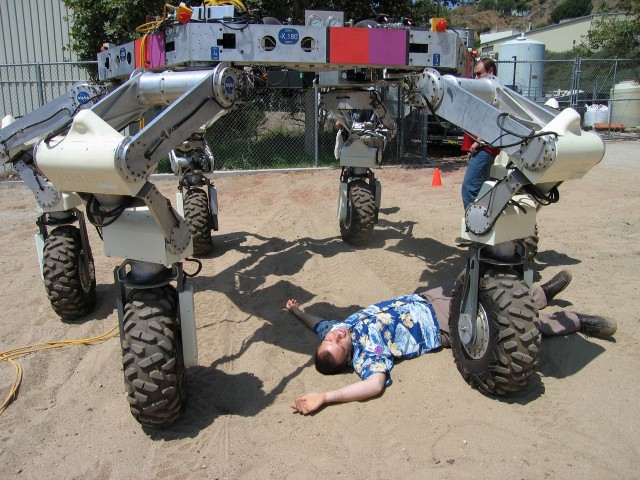
All of the above topics have come together in work I have done in the automation industry, the aerospace industry, and the defense industry as a system architect. I have brought systems and products from the very early stage of identifying a need to hand-off to detailed design and production. Building system models and tying them to requirements and performance characteristics is an incredibly important and powerful process.
To complete the arc of systems engineering, I have managed projects in the detailed design, manufacturing, testing, and deployment phases. My project management experience ranges from very small consumer products and one-off assembly equipment up to billion dollar projects. I have managed projects in a variety of industries spanning aerospace, manufacturing and automation, defense, and construction. Further, I have seen several projects through from initial concept to deployment and customer acceptance.
International Collaboration
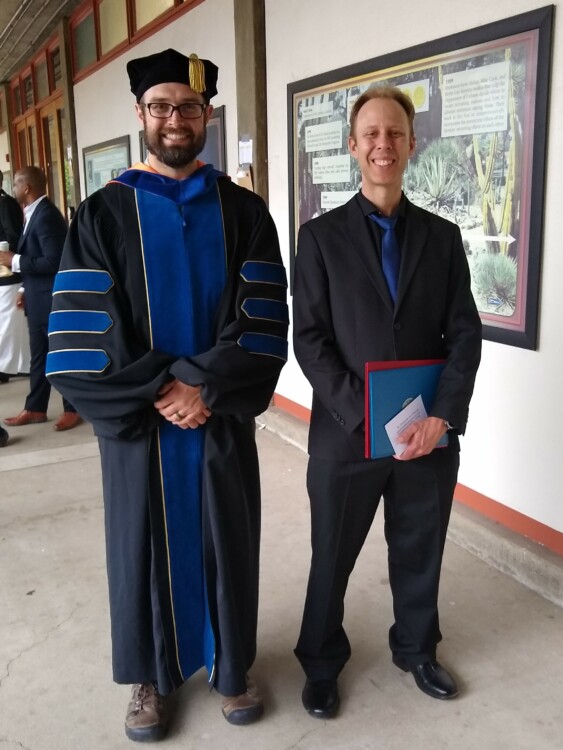
Beyond my strong collaborative nature and drive, I have a passion for working with diverse international teams. I have worked as a maintenance engineer in a marble tile factory in Tunisia, as a robotics and automation engineer in a robotics institute in Germany, as a researcher at a university in Australia, and I have worked on international, multidisciplinary teams most of my career. I am currently working with people distributed around the globe including in Denmark, Finland, and Canada. I recently was working with people in Singapore and Australia. In previous years, I worked with people in Korea, China, Malaysia, Mexico, India, and other locations.
It is really fun for me to work across countries and cultures. I even have a BA in international studies because I enjoy it so much. The GLOBE Study and Hoffstede’s work on understanding how cultures differ in a variety of different dimensions has really resonated with me over the years and has helped me to understand other people’s perspectives. I believe that this has made me a better engineer, leader, and friend.
Research
My research focuses on three related areas including:
- Risk analysis and failure modeling: quantitative failure modeling and analysis using systems models from a design perspective (i.e.: how do we design a system to be less prone to failure, have higher availability, etc.).
- Conceptual system design methodology: risk-informed decision-making for complex systems (i.e.: how do we make timely decisions that are the correct decisions early in the design process to save time, money, etc.).
- Emergent system behaviors: quantitatively and automatically identify potential emergent system behaviors at the conceptual design stage of systems engineering (i.e.: how do we find potentially harmful or dangerous emergent system behaviors before they cause a serious accident, and how do we mitigate them?).
My primary research interest is in designing and engineering large complex systems. In my experience, the success of systems is determined in the early phase of design. I care about empowering practitioners to rapidly create high quality conceptual designs that are accurate representations of final system designs; are an improvement over designs created using traditional industry-standard methods; present an accurate portrait of system risk; and take into consideration the preferences and attitudes of customers, key stakeholders, and engineers. Failure or degradation of systems such as nuclear power plants, naval vessels, offshore oil platforms, the electric grid, military aircraft, crewed and autonomous spacecraft, and other systems can have potentially catastrophic consequences including poor availability during critical times of national defense need, cost and schedule overruns leading to delayed or partial fielding of systems, and loss of systems due to system failure events. It is therefore imperative that complex systems be designed to meet customer needs, be functional, resilient, affordable, robust, economical, and have minimal environmental footprint. My research aims to address these issues in the methodology for early phase system design.
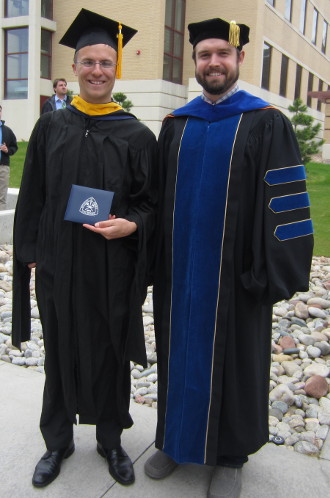
Together with my collaborators and friends, I work on a variety of topics related to complex engineered system design from a system informatics perspective, risk and reliability analysis and decision-making, autonomous system design and operation from a risk-informed and prognostics perspective, tradespace exploration and design optimization, and design for manufacturing from a risk-informed data analytics perspective. We use a variety of exemplar systems including launch vehicles, space systems, nuclear reactors, manufacturing processes, both crewed and unmanned commercial and combat system aircraft, underwater autonomous and remote operated vehicles, and related complex systems.
A full list of my publications can be found in my curriculum vitae, on ResearchGate, or on Google Scholar.
Selected publications are available below. Corresponding author is denoted by an asterisk (*). Links to original publication locations are provided. Backup links to reproductions of the articles are provided in case of loss of the original archival publications and to share privately with research colleagues. Only access the backup copies if you are legally allowed to do so.
Book Chapters
- P. Mishra*, P. Zhang, S.A. Smolka, S.D. Stoller, Y. Zhou, Y.A. Shamash, D.L. Van Bossuyt, W.W. Anderson. In Situ Resilience Quantification for Microgrids in Microgrids: Theory and Practice, Power and Energy Engineering Series, 1st Ed. P. Zhang, Y. Zhou Ed. Wiley. Bridgewater, NJ. https://onlinelibrary.wiley.com/doi/10.1002/9781119890881.ch11 January 2024.
Original Publication. Direct Link. ResearchGate Link. - W.W. Anderson, D.L. Van Bossuyt*. Foundations of Microgrid Resilience in Microgrids: Theory and Practice, Power and Energy Engineering Series, 1st Ed. P. Zhang, Y. Zhou Ed. Wiley. Bridgewater, NJ. https://onlinelibrary.wiley.com/doi/10.1002/9781119890881.ch27 January 2024.
Original Publication. Direct Link. ResearchGate Link. - B. Hale*, N. Bindel, D.L. Van Bossuyt Quantum Computers – The Need for a New Cryptographic Strategy in Handbook for Management of Threats – Security and defense, resilience and optimal strategies, 1st Ed. K. Balomenos, P. Pardalos Ed. Springer. New York City. https://doi.org/10.1007/978-3-031-39542-0_7 December 2023.
Original Publication. Direct Link. ResearchGate Link. - D.L. Van Bossuyt*, N. Papakonstantinou, B. Hale, J. Salonen, B. O’Halloran. Model Based Resilience Engineering for Design and Assessment of Mission Critical Systems Containing Artificial Intelligence Components in Artificial Intelligence and Cybersecurity: Theory and Applications, 1st Ed. T. Sipola, T. Kokkonen, M. Karjalainen, Ed. Springer. New York City. https://doi.org/10.1007/978-3-031-15030-2_3. January 2023.
Original Publication. Direct Link. ResearchGate Link.
Peer Reviewed Journal Articles

- Z. Sha*, A. Layton, B. Heydari, D.L. Van Bossuyt. Special Issue: Networks and Graphs for Engineering Systems and Design. ASME Journal of Computing and Information Science in Engineering (JCISE). https://doi.org/10.1115/1.4068457 25(6). June 2025.
Original Publication. Direct Link. ResearchGate Link. - D.L. Van Bossuyt*, D. Allaire, J.F. Bickford, T.A. Bozada, W.W. Chen, R.P. Cutitta, R. Cuzner, K. Fletcher, R. Giachetti, B. Hale, H.H. Huang, M. Keidar, A. Layton, A. Ledford, M. Lesse, J. Lussier, R. Malak, B. Mesmer, G. Mocko, G. Oriti, D. Selva, C. Turner, M. Watson, A. Wooley, Z. Zeng. The Future of Digital Twin Research and Development. ASME Journal of Computing and Information Science in Engineering (JCISE). https://doi.org/10.1115/1.4068082 25(8) August 2025.
Original Publication. Direct Link. ResearchGate Link. - W. Porter, C. Reese, J. Bickford, S. Bourn, D.L. Van Bossuyt*. The Impact of Counterfeit Components and LRUs in the Navy Surface Warfare Supply Chain: A Systems Dynamics Approach. Systems Engineering. https://doi.org/10.1002/sys.21785 28(2) October 2024.
Original Publication. Direct Link. ResearchGate Link. - D. Jensen*, D.L. Van Bossuyt, O. Bello, B.M. O’Halloran, N. Papakonstantinou. A Survey of Function Failure Identification and Propagation Analysis Methods for System Design. ASME Journal of Computing and Information Science in Engineering (JCISE). https://doi.org/10.1115/1.4065630 24(9). September 2024.
Original Publication. Direct Link. ResearchGate Link. - A. Machamer, D.L. Van Bossuyt*, M. Rhoades. Optimizing the Periodicity of Preventative Maintenance Inspection Based on Historical Reliability Data for Naval Steam Condensers. Naval Engineers Journal. 135(4). December 2023.
Original Publication. Direct Link. ResearchGate Link. - R.E Giachetti, D.L. Van Bossuyt*. Military Energy Resilience Models and Climate: Do Our Models Adequately Consider Climate Risks? IEEE Open Journal of Systems Engineering. https://doi.org/10.1109/OJSE.2023.3324699 1(1). October 2023.
Original Publication. Direct Link. ResearchGate Link. - T. Yeazitzis*, K. Weger, B. Mesmer, J. Clerkin, D.L. Van Bossuyt. Biases in Stakeholder Elicitation as a Precursor to the Systems Architecting Process. Systems. (DOI) https://doi.org/10.3390/systems11100499 11(10). September 2023.
Original Publication. Direct Link. ResearchGate Link. - D.L. Van Bossuyt*, B. Hale, R. Arlitt, N. Papakonstantinou. Zero-Trust for the System Design Lifecycle. ASME Journal of Computing and Information Science in Engineering (JCISE). (DOI) https://doi.org/10.1115/1.4062597 23(6). Online June 2023. In Print December 2023. Original Publication. Direct Link. ResearchGate Link.
- C. Thiessen, D.L. Van Bossuyt, B. Hale*. Reducing Asymmetry in Countering Unmanned Aerial Systems. Naval Engineers Journal. 135(1). p 83-93. March 2023.
Original Publication. Direct Link. ResearchGate Link. - D.V. Camp, N.L. Vey, P.W. Kylander, S.G. Auld, J.J. Willis, J. Lussier, R. Eldred, D.L. Van Bossuyt*. Li-ion Batteries and the Electrification of the Fleet. Naval Engineers Journal. 135(1). p 169-184. March 2023.
Original Publication. Direct Link. ResearchGate Link. - J.J. He, D.L. Van Bossuyt*, A. Pollman. Experimental Validation of Systems Engineering Resilience Models for Islanded Microgrids for Defense Operations. Systems. 10(6):245. (DOI) https://doi.org/10.3390/systems10060245 December 2022.
Original Publication. Direct Link. ResearchGate Link. - C. Fackrell, A. Pollman*, D.L. Van Bossuyt*, A. Gannon. Experimental Assessment of a Novel Dual Opening Dewar for Use on a Liquid Air Energy Storage System Installed on Remote, Islanded, Renewable Microgrids. Inventions. (DOI) https://doi.org/10.3390/inventions7040101. 7(4):101. November 2022.
Original Publication. Direct Link. ResearchGate Link. - N. Anglani, G. Oriti*, R. Fish, D.L. Van Bossuyt. Design and Optimization Strategy to Size Resilient Stand-Alone Hybrid Microgrids in Various Climatic Conditions. IEEE Open Journal of the Industry Applications Society. (DOI) https://doi.org/10.1109/ojia.2022.3201161 pp. 1-9. August 2022.
Original Publication. Direct Link. ResearchGate Link. - C.H. Lee, C. Thiessen, D.L. Van Bossuyt*, B. Hale. A Systems Analysis of Energy Usage and Effectiveness of a Counter-Unmanned Aerial System Using a Cyber-Attack Approach. MDPI Drones. (DOI) https://doi.org/10.3390/drones6080198 6(8), 198. August 2022.
Original Publication. Direct Link. ResearchGate Link. - K. Diatte, B. O’Halloran, D.L. Van Bossuyt*. The Integration of Reliability, Availability, and Maintainability into Model-Based Systems Engineering. MDPI Systems. (DOI) https://doi.org/10.3390/systems10040101 10(4) 101. July 2022.
Original Publication. Direct Link. ResearchGate Link. - K Weger*, L. Matsuyama, R. Zimmermann, B. Mesmer, D.L. Van Bossuyt, R. Semmens, C. Eaton. Insight into the Acceptance and Adoption of Autonomous Systems by Military Personnel. International Journal of Human-Computer Interaction. Special Issue on AI, Decision-Making, and the Impact on Humans. (DOI) https://doi.org/10.1080/10447318.2022.2086033 June 2022.
Original Publication. Direct Link. ResearchGate Link. - D. Varley, D.L. Van Bossuyt*, A. Pollman. Feasibility Analysis of a Mobile Microgrid Design to Support DoD Energy Resilience Goals. MDPI Systems. (DOI) https://doi.org/10.3390/systems10030074 10(3), 74. June 2022.
Original Publication. Direct Link. ResearchGate Link. - R. Eldred*, D.L. Van Bossuyt. Preliminary Design and Testing of a Resetting, Combination Anchor, Antenna and Tether Mechanism for a Spherical Autonomous Underwater Vehicle. MDPI Applied Sciences. (DOI) https://doi.org/10.3390/app12105072 12(10), 5072. May 2022.
Original Publication. Direct Link. ResearchGate Link. - J. Mallery, D.L. Van Bossuyt*, A. Pollman. Defense Installation Energy Resilience for Changing Operational Requirements. MDPI Designs. (DOI) https://doi.org/10.3390/designs6020028 6(2), 28. February 2022.
Original Publication. Direct Link. ResearchGate Link. - E. Anuat, D.L. Van Bossuyt*, A. Pollman. Energy Resilience Impact of Supply Chain Network Disruption to Military Microgrids. MDPI Infrastructures Special Issue on Infrastructure Resilience in Emergency Situations, (DOI) https://doi.org/10.3390/infrastructures7010004 7(1), 4. January 2022.
Original Publication. Direct Link. ResearchGate Link. - A. Miller, R. Giachetti*, D.L. Van Bossuyt. Challenges of Adopting DevOps for Combat Systems Development Environment. Defense Acquisition Research Journal (DOI) https://doi.org/10.22594/dau.21-870.29.01 29(1), 22–48. January 2022.
Original Publication. Direct Link. ResearchGate Link. - E.B.K. Lee, D.L. Van Bossuyt* J. Bickford. Digital Twin-Enabled Decision Support in Mission Engineering and Route Planning. MDPI Systems (DOI) https://doi.org/10.3390/systems9040082 9(4), 82. November 2021.
Original Publication. Direct Link. ResearchGate Link. - C.S. Tan, D.L. Van Bossuyt*, B. Hale*. System Analysis of Counter Unmanned Aerial System Kill Chain in an Operational Environment. MDPI Systems, (DOI) https://doi.org/10.3390/systems9040079 9(4), pp. 79. November 2021.
Original Publication. Direct Link. ResearchGate Link. - C. Peterson, D.L. Van Bossuyt*, G. Oriti, R. Giachetti. Analyzing Mission Impact of Military Installations Microgrid for Resilience. MDPI Systems, (DOI) https://doi.org/10.3390/systems9030069 9(3), 69. September 2021.
Original Publication. Direct Link. ResearchGate Link. - R. Giachetti*, D.L. Van Bossuyt, G. Oriti, W. Anderson. Resilience and Cost Tradespace for Microgrids on Islands. IEEE Systems Journal, (DOI) 10.1109/JSYST.2021.3103831. September 2021.
Original Publication. Direct Link. ResearchGate Link. - P. Siritoglou, G. Oriti*, D.L. Van Bossuyt*. Distributed Energy Resources Design Method to Improve Energy Security in Critical Facilities. MDPI Energies. (DOI) https://doi.org/10.3390/en14102773. 14(10), pp. 2773. May 2021.
Original Publication. Direct Link. ResearchGate Link. - A. Kain, D.L. Van Bossuyt*, A. Pollman. Investigation of Nanogrids for Improved Navy Installation Energy Resilience. MDPI Applied Sciences, (DOI) https://doi.org/10.3390/app11094298. 11(9), pp. 4298. May 2021.
Original Publication. Direct Link. ResearchGate Link. - N. Papakonstantinou, D.L. Van Bossuyt*, J. Linnosmaa, B. Hale, B. O’Halloran. A Zero Trust Hybrid Security and Safety Risk Analysis Method. ASME Journal of Computing and Information Science in Engineering, (DOI) https://doi.org/10.1115/1.4050685, Published Online March 2021.
Original Publication. Direct Link. ResearchGate Link. - B. O’Halloran*, N. Papakonstantinou, K. Giammarco, D.L. Van Bossuyt. A Graph Theory Approach to Functional Failure Propagation in Early Complex Cyber-Physical Systems (CCPSs). Systems Engineering, (DOI) https://doi.org/10.1002/sys.21569, February 2021. Vol 24. No 2. Pages 100-121.
Original Publication. Direct Link. ResearchGate Link. - J. Bickford, D.L. Van Bossuyt*, P. Beery, A. Pollman. Operationalizing Digital Twins Through Model Based Systems Engineering Methods. Systems Engineering. (DOI) https://doi.org/10.1002/sys.21559, October 2020.
Original Publication. Direct Link. ResearchGate Link. - B. Rathwell, D.L. Van Bossuyt*, A. Pollman, J. Sweeney III. A Method to Inform the Systems Engineering Approach to System Design and Maintenance Activity Development Using Systems Operators and Maintenance Personnel Risk Attitudes to Improve Operational Availability. Systems. (DOI) 10.3390/systems8030026. August 2020.
Original Publication. Direct Link. ResearchGate Link. - D.L. Van Bossuyt*, R.M. Arlitt. A Functional Failure Analysis Method of Identifying and Mitigating Spurious Emissions from a System of Interest in a System of Systems. ASME Journal of Computing and Information Science in Engineering. (DOI) https://doi.org/10.1115/1.4046991. October 2020.
Original Publication. Direct Link. ResearchGate Link. - D.L. Van Bossuyt*, B.M. O’Halloran, R.M. Arlitt. A Method of Identifying and Analyzing Irrational System Behavior in a System of Systems. Systems Engineering. Vol 22. pp. 519– 537. (DOI) https://doi.org/10.1002/sys.21520 November 2019.
Original Publication. Direct Link. ResearchGate Link. - D.L. Van Bossuyt*, P.Beery, B.M. O’Halloran, A. Hernandez, E. Paulo. The Naval Postgraduate School’s Department of Systems Engineering Approach to Mission Engineering Education. Systems. Vol. 7 No. 3, Article-No. 38, (DOI) 10.3390/systems7030038. August 2019.
Original Publication. Direct Link. ResearchGate Link. - D.L. Van Bossuyt*, B.M. O’Halloran, N. Papakonstantinou. A System Design Method to Reduce Cable Failure Propagation Probability in Cable Bundles. The Journal of Reliability, Maintainability, and Supportability in Systems Engineering. Vol. Winter 2018-19. February 2019.
Original Publication. Direct Link. ResearchGate Link. - R. Arlitt, D.L. Van Bossuyt*. A Generative Human-in-the-Loop Approach for Conceptual Design Exploration Using Flow Failure Frequency in Functional Models. ASME Journal of Computing and Information Science in Engineering. Vol. 19, No. 3, (DOI) 10.1115/1.4042913. Web published February 2019. Hard copy published March 2019.
Original Publication. Direct Link. ResearchGate Link. - J. Dempere, N. Papakonstantinou, B. O’Halloran, D.L. Van Bossuyt*. Risk Modeling of Variable Probability External Initiating Events in a Functional Modeling Paradigm. The Journal of Reliability, Maintainability, and Supportability in Systems Engineering. Vol. Summer 2018. August 2018.
Original Publication. Direct Link. ResearchGate Link. - A.R. Short, R.D.D. Hodge, D.L. Van Bossuyt, B. DuPont*. Active Mission Success Estimation Through Functional Modeling. Research in Engineering Design. March 2018.
Original Publication. Direct Link. ResearchGate Link. - S.W. Gregg, J. Steele, D.L. Van Bossuyt*. A Method for Automated Cavitation Detection with Adaptive Thresholds. International Journal of Prognostics and Health Management. February 2018.
Original Publication. Direct Link. ResearchGate Link. - G. L’Her*, B. O’Halloran, D.L. Van Bossuyt. Prognostic Systems Representation in a Function-Based Bayesian Model During Engineering Design. International Journal of Prognostics and Health Management. October 2017.
Original Publication. Direct Link. ResearchGate Link. - A.R. Short, A.D. Lai, D.L. Van Bossuyt*. Conceptual Design of Sacrificial Subsystems: Failure Flow Decision Functions. Research in Engineering Design, (DOI) 10.1007/s00163-017-0258-3, May 2017.
Original Publication. Direct Link. ResearchGate Link. - S.W. Gregg, J. Steele, D.L. Van Bossuyt*. Feature Selection for Monitoring Erosive Cavitation on a Hydroturbine. International Journal of Prognostics and Health Management. March 2017.
Original Publication. Direct Link. ResearchGate Link. - R. Arlitt, D.L. Van Bossuyt*, R. Stone, I.Y. Tumer. The Function-based Design for Sustainability Method, ASME Journal of Mechanical Design, Vol. 139, No. 4, (DOI) 10.1115/1.4035431. February 2017.
Original Publication. Direct Link. ResearchGate Link. - J. Dean, D.L. Van Bossuyt*. Breaking the Tyranny of the Semester: A Phase-Gate Sprint Approach to Teaching Students Important Engineering Concepts, Delivering Useful Solutions to Communities, and Working on Long Time Scale Projects, International Journal for Service Learning in Engineering, Humanitarian Engineering, and Social Entrepreneurship, Special Issue: University Engineering Programs That Impact Communities: Critical Analyses and Reflection. (ISSN) 1555-9033. Fall 2014.
Original Publication. Direct Link. ResearchGate Link. - D.L. Van Bossuyt*, L. Carvalho, A. Dong, I.Y. Tumer. On Measuring Engineering Risk Attitudes, ASME Journal of Mechanical Design, Vol. 135, No 12. December 2013.
Original Publication. Direct Link. ResearchGate Link. - D.L. Van Bossuyt*, C. Hoyle, I.Y. Tumer, A. Dong. Risk Attitudes in Risk-based Design: Considering Risk Attitude Using Utility Theory in Risk-Based Design, Artificial Intelligence for Engineering Design, Analysis, and Manufacturing, Vol. 26, No. 4, pp. 393-406. September 2012.
Original Publication. Direct Link. ResearchGate Link. - D.L. Van Bossuyt, I.Y. Tumer*, S. Wall. A Case for Trading Risk in Conceptual Design Trade Studies, Research in Engineering Design, (DOI) 10.1007/s00163-012-0142-0. September 2012.
Original Publication. Direct Link. ResearchGate Link.

Peer Reviewed Conference Papers
- N. Papakonstantinou*, D.L. Van Bossuyt, R. Bell, R. Longshore, M. Heikkilä. PrivateAIDELPHI: Adopting and adapting private AI for risk assessment of safety critical systems. 2025 IEEE Reliability and Maintainability Symposium. RAMS 2025.
Original Publication. Direct Link. ResearchGate Link. - D. Reich, G. Oriti, R. Giachetti, D.L. Van Bossuyt, S. Sanchez*. Microgrid Design Planning for the U.S. Department of Defense. INFORMS Winter Simulation Conference, WSC 2024.
Original Publication. Direct Link. ResearchGate Link. - G. Smith, D.L. Van Bossuyt, G. Oriti*, M. Vygoder, R. Alves. Comparative Reliability Analysis of a Microgrid versus Zonal Nanogrids. IEEE Energy Conversion Congress and Exposition, ECCE 2024.
Original Publication. Direct Link. ResearchGate Link. - D.L. Van Bossuyt*, B. Hale. Functional Analysis of Cyber-Physical Systems for Confidentiality Quantum Resilience. 2024 ASME International Design Engineering Technical Conferences & Computers and Information in Engineering Conference, IDETC/CIE 2024.
Original Publication. Direct Link. ResearchGate Link. - D.L. Van Bossuyt*, N. Papakonstantinou, B. Hale, R. Arlitt, S.R. Palatheerdham. ARCS-R: Mission Critical Combined Reliability and Cybersecurity Systems Engineering Analysis. IEEE Reliability and Maintainability Symposium, RAMS 2024.
Original Publication. Direct Link. ResearchGate Link. - N. Papakonstantinou, D.L. Van Bossuyt*, B. Hale, R. Arlitt, J. Salonen, J. Suomalainen. CyberRiskDELPHI: Towards Objective Cyber Risk Assessment for Complex Systems. 2023 ASME International Design Engineering Technical Conferences & Computers and Information in Engineering Conference, IDETC/CIE 2023.
Original Publication. Direct Link. ResearchGate Link. - D.L. Van Bossuyt*, N. Papakonstantinou, B. Hale, R. Arlitt. Trust Loss Effects Analysis (TLEA) Method for Zero Trust Assessment. 2023 IEEE Reliability and Maintainability Symposium, RAMS 2023.
Original Publication. Direct Link. ResearchGate Link. - D.L. Van Bossuyt*, B. Hale, R. Arlitt, N. Papakonstantinou. Multi-Mission Engineering with Zero Trust: a Modeling Methodology and Application to Contested Offshore Wind Farms. 2022 ASME International Design Engineering Technical Conferences & Computers and Information in Engineering Conference, IDETC/CIE 2022.
Original Publication. Direct Link. ResearchGate Link. - C. Thiessen, D.L. Van Bossuyt, B. Hale*. Reducing Asymmetry in Countering Unmanned Aerial Systems. 19th Annual Acquisition Research Symposium. 2022.
Original Publication. Direct Link. ResearchGate Link. - H.M. Barr, R.C. Smitherman, B. Mesmer, K. Weger, D.L. Van Bossuyt, R. Semmens, N.L. Tenhundfeld. Use, Acceptance, and Adoption of Automated Systems with Intrinsic and Extrinsic Motivation Based Incentive Mechanisms. IEEE Systems and Information Engineering Design Symposium, SIEDS 2022.
Original Publication. Direct Link. ResearchGate Link. - N. Papakonstantinou*, B. Hale, J. Linnosmaa, L. Joonas, D.L. Van Bossuyt. Model Driven Engineering for Security Assessment & Design Focusing on Past Influences on Humans & AI. 2022 IEEE Reliability and Maintainability Symposium, RAMS 2022.
Original Publication. Direct Link. ResearchGate Link. - D.L. Van Bossuyt*, R. Arlitt. The Bus Factor in Conceptual System Design: Protecting a Design Process Against Major Regional and World Events. 2021 ASME International Design Engineering Technical Conferences & Computers and Information in Engineering Conference, IDETC/CIE 2021.
Original Publication. Direct Link. ResearchGate Link. - B. Hale, D.L. Van Bossuyt*, N. Papakonstantinou, B. O’Halloran. A Zero-Trust Methodology for Security of Complex Systems with Machine Learning Components. 2021 ASME International Design Engineering Technical Conferences & Computers and Information in Engineering Conference, IDETC/CIE2021.
Original Publication. Direct Link. ResearchGate Link. - N. Anglani*, G. Oriti, R. Fish, D.L. Van Bossuyt. Design and Optimization Strategy to Size Resilient Stand-Alone Hybrid Microgrids in Various Climatic Conditions. IEEE Energy Conversion Congress and Exposition, ECCE 2021.
Original Publication. Direct Link. ResearchGate Link. - M. Flynn, H.M. Smitherman, B. Mesmer, K. Weger, R. Semmens, D.L. Van Bossuyt, N.L. Tenhundfeld*. Incentive Mechanisms for Acceptance and Adoption of Automated Systems. 2021 IEEE Systems and Information Engineering Design Symposium, 2021 IEEE SIEDS.
Original Publication. Direct Link. ResearchGate Link. - L. Matsuyama*, H. Simon, A. Shipman, K. Weger, N. Tenhundfeld, B. Mesmer, D.L. Van Bossuyt, R. Semmens. Determinants that Influence the Acceptance and Adoption of Mission Critical Autonomous Systems. 2021 AIAA Sci Tech Forum, SciTech 2021.
Original Publication. Direct Link. ResearchGate Link. - J. Kosempel, B.M O’Halloran, D.L. Van Bossuyt*. Toward a Reliability Approach Decision Support Tool for Early System Design: Physics of Failure vs. Historical Failure Data. 2020 Conference on Systems Engineering Research, CSER2020.
Original Publication. Direct Link. ResearchGate Link. - N. Papakonstantinou, D.L. Van Bossuyt*, J. Linnosmaa, B. Hale, B. O’Halloran. Towards a Zero Trust Hybrid Security and Safety Risk Analysis Method. 2020 ASME International Design Engineering Technical Conferences & Computers and Information in Engineering Conference, IDETC/CIE2020.
Original Publication. Direct Link. ResearchGate Link. - B.M. O’Halloran*, J. Dean, D.L. Van Bossuyt, R. Mourning. Toward a Probabilistic Risk Assessment (PRA) Method for Assessing Mishaps in Legacy Systems Using Mishap Reports. 2020 International Council on Systems Engineering Research International Symposium, INCOSE IS 2020.
Original Publication. Direct Link. ResearchGate Link. - R.E. Giachetti, D.L. Van Bossuyt*, G.W. Parker, C.J. Peterson. Systems Engineering Issues in Microgrids for Military Installations. 2020 International Council on Systems Engineering Research International Symposium, INCOSE IS 2020.
Original Publication. Direct Link. ResearchGate Link. - N. Papakonstantinou*, A. Bashir, A. Jarmo, L. Joonas, M. Timo, D.L. Van Bossuyt. Early Combined Safety – Security Defence in Depth Assessment of Complex Systems. 2020 IEEE Reliability and Maintainability Symposium, RAMS2020.
Original Publication. Direct Link. ResearchGate Link. - B.M. O’Halloran, D.L. Van Bossuyt*. How do Systems Fail? 2020 IEEE Reliability and Maintainability Symposium, RAMS2020.
Original Publication. Direct Link. ResearchGate Link. - D.L. Van Bossuyt*, R. Arlitt. Toward a Functional Failure Analysis Method of Identifying and Mitigating Spurious System Emissions in a System of Systems. 2019 ASME International Design Engineering Technical Conferences & Computers and Information in Engineering Conference, IDETC/CIE2019.
Original Publication. Direct Link. ResearchGate Link. - D.L. Van Bossuyt* B.M. O’Halloran, M. Morningstar. Stored System Inherent Availability Optimization from a System of Systems Physics of Failure Perspective. 2019 IEEE System of Systems Engineering Conference, SOSE 2019.
Original Publication. Direct Link. ResearchGate Link. - D.L. Van Bossuyt*, B.M O’Halloran. A Method to Choose Between Automation and Human Operators for Recovery Actions During a Cyber Attack. Conference on Systems Engineering Research, (CSER 2019).
Original Publication. Direct Link. ResearchGate Link. - N. Papakonstantinou*, A. Bashir, B. O’Halloran, D.L. Van Bossuyt. Early assessment of drone fleet Defence in Depth capabilities for mission success. 2019 IEEE Reliability and Maintainability Symposium, RAMS2019.
Original Publication. Direct Link. ResearchGate Link. - N. Papakonstantinou*, J. Linnosmaa, A. Bashir, J. Alanen, B. O’Halloran, D.L. Van Bossuyt. Early hybrid safety and security risk assessment based on interdisciplinary dependency models. 2019 IEEE Reliability and Maintainability Symposium, RAMS2019
Original Publication. Direct Link. ResearchGate Link. - R. Arlitt, D.L. Van Bossuyt*. Toward a Generative Human-in-the-Loop Approach for Conceptual Design Exploration Using Flow Failure Frequency in Functional Models. 2018 ASME International Design Engineering Technical Conferences & Computers and Information in Engineering Conference, IDETC/CIE2018
Original Publication. Direct Link. ResearchGate Link. - B.M. O’Halloran*, N. Papakonstantinou, D.L. Van Bossuyt. Assessing the Consequence of Cyber and Physical Malicious Attacks in Complex, Cyber-Physical Systems During Early System Design. IEEE 16th International Conference on Industrial Informatics, INDIN 2018
Original Publication. Direct Link. ResearchGate Link. - D.L. Van Bossuyt*, B.M. O’Halloran, R.M. Arlitt. Irrational System Behavior in a System of Systems. IEEE 13th Annual System of Systems Engineering Conference, SoSE2018
Original Publication. Direct Link. ResearchGate Link. - N. Papakonstantinou*, T. Tommila, B. O’Halloran, J. Alanen, D.L. Van Bossuyt. A Model Driven Approach for Early Assessment of Defense in Depth Capabilities of Complex Sociotechnical Systems. 2017 ASME International Design Engineering Technical Conferences & Computers and Information in Engineering Conference, IDETC/CIE2017
Original Publication. Direct Link. ResearchGate Link. - B. O’Halloran*, N. Papakonstantinou, K. Giammarco, D.L. Van Bossuyt. A Graph Theory Approach to Functional Failure Propagation in Early Complex Cyber-Physical Systems (CCPSs). 2017 International Council on Systems Engineering Annual Conference (INCOSE2017)
Original Publication. Direct Link. ResearchGate Link. - J. Dempere, N. Papakonstantinou, B. O’Halloran, D.L. Van Bossuyt*. Conceptual Risk Modeling of Variable Probability External Failure Initiating Events. 2017 IEEE Reliability and Maintainability Symposium, RAMS2017
Original Publication. Direct Link. ResearchGate Link. - N. Papakonstantinou*, S. Proper, D.L. Van Bossuyt, B. O’Halloran, I.Y. Tumer. A Functional Modelling Based Methodology for Testing the Predictions of Fault Detection and Identification Systems. 2016 ASME International Design Engineering Technical Conferences & Computers and Information in Engineering Conference, IDETC/CIE2016
Original Publication. Direct Link. ResearchGate Link. - J.R. Igleski, D.L. Van Bossuyt, T. Reid*. The Application of Retrospective Customer Needs Cultural Risk Indicator Method to Soap Dispenser Design for Children in Ethiopia. 2016 ASME International Design Engineering Technical Conferences & Computers and Information in Engineering Conference, IDETC/CIE2016
Original Publication. Direct Link. ResearchGate Link. - Z. Mimlitz, A.R. Short, D.L. Van Bossuyt*. Toward Risk-Informed Operation of Autonomous Vehicles to Increase Resilience in Unknown and Dangerous Environments. 2016 ASME International Design Engineering Technical Conferences & Computers and Information in Engineering Conference, IDETC/CIE2016
Original Publication. Direct Link. ResearchGate Link. - A.R. Short, Z. Mimlitz, D.L. Van Bossuyt*. Autonomous System Design and Controls Design for Operations in High Risk Environments. 2016 ASME International Design Engineering Technical Conferences & Computers and Information in Engineering Conference, IDETC/CIE2016
Original Publication. Direct Link. ResearchGate Link. - D.L. Van Bossuyt*, J. Dean. Toward Implementing Quantifiable Social Justice Metrics in the Design Process. 2016 ASME International Design Engineering Technical Conferences & Computers and Information in Engineering Conference, IDETC/CIE2016
Original Publication. Direct Link. ResearchGate Link. - S.W. Gregg*, J. Germann, J. DeHaan, J. Steele, D.L. Van Bossuyt. Machine Learning: A Tool for Predicting Cavitation Erosion Rates on Turbine Runners. Hydrovision International Conference, 2016
Original Publication. Direct Link. ResearchGate Link. - B. O’Halloran, N. Papakonstantiou, D.L. Van Bossuyt*. Cable Routing Modeling in Early System Design to Prevent Cable Failure Propagation Events. 2016 IEEE Reliability and Maintainability Symposium, RAMS 2016
Original Publication. Direct Link. ResearchGate Link. - N. Papakonstantiou, B. O’Halloran, M. Porthin, D.L. Van Bossuyt*. A Model-driven Approach for Incorporating Human Reliability Analysis in Early Emergency Operating Procedure Development. 2016 IEEE Reliability and Maintainability Symposium, RAMS 2016
Original Publication. Direct Link. ResearchGate Link. - A. Short, D.L. Van Bossuyt*. Active Mission Success Estimation through PHM-Informed Probabilistic Modelling. 2015 PHM Society Conference
Original Publication. Direct Link. ResearchGate Link. - A. Short, D.L. Van Bossuyt*. Risk Attitude Informed Route Planning in a Simulated Planetary Rover. 2015 ASME International Design Engineering Technical Conferences & Computers and Information in Engineering Conference, IDETC/CIE2015
Original Publication. Direct Link. ResearchGate Link. - D.L. Van Bossuyt*, J. Dean. Toward Customer Needs Cultural Risk Indicator Insights for Product Development. 2015 ASME International Design Engineering Technical Conferences & Computers and Information in Engineering Conference, IDETC/CIE2015
Original Publication. Direct Link. ResearchGate Link. - M.R.S. Slater, D.L. Van Bossuyt*. Toward a Dedicated Failure Flow Arrestor Function Methodology. 2015 ASME International Design Engineering Technical Conferences & Computers and Information in Engineering Conference, IDETC/CIE2015
Original Publication. Direct Link. ResearchGate Link. - C. Stack, D.L. Van Bossuyt*. Toward a Functional Failure Modeling Method of Representing Prognostic Systems During the Early Phases of Design. 2015 ASME International Design Engineering Technical Conferences & Computers and Information in Engineering Conference, IDETC/CIE2015
Original Publication. Direct Link. ResearchGate Link. - J.C. Steuben, D.L. Van Bossuyt*, C.J. Turner*. Design for Fused Filament Fabrication (FFF) Additive Manufacturing, 2015 ASME International Design Engineering Technical Conferences & Computers and Information in Engineering Conference, IDETC/CIE2015
Original Publication. Direct Link. ResearchGate Link. - A.R. Short and D.L Van Bossuyt*. Rerouting Failure Flows Using Logic Blocks in Functional Models for Improved System Robustness: Failure Flow Decision Functions, 2015 ICED Conference. Recognized as Reviewers’ Favourite at ICED2015.
Original Publication. Direct Link. ResearchGate Link. - B. O’Halloran, N. Papakonstantiou, D.L. Van Bossuyt*. Modeling of Function Failure Propagation Across Uncoupled Systems, 2015 IEEE Reliability and Maintainability Symposium, RAMS2015
Original Publication. Direct Link. ResearchGate Link. - J.F. Pease, J.H. Dean, and D.L. Van Bossuyt*. Lean Design for the Developing World: Making Design Decisions Through the Use of Validated Learning Techniques in the Developing World, 2014 ASME International Mechanical Engineering Congress and Exposition, IMECE2014
Original Publication. Direct Link. ResearchGate Link. - I.J. Ramp, D.L. Van Bossuyt*. Toward an Automated Model-Based Geometric Method of Representing Function Failure Propagation Across Uncoupled Systems, 2014 ASME International Mechanical Engineering Congress and Exposition, IMECE2014
Original Publication. Direct Link. ResearchGate Link. - J.F. Pease, J.H. Dean, D.L. Van Bossuyt*. Toward a Market-Based Lean Startup Product Design Method for the Developing World 2014 ASME International Design Engineering Technical Conferences & Computers and Information in Engineering Conference, IDETC/CIE2014
Original Publication. Direct Link. ResearchGate Link. - B. Gilchrist, D.L. Van Bossuyt, R. Arlitt, I.Y. Tumer*. Functional Impact Comparison of Innovative and Common Products 2013 ASME International Design Engineering Technical Conferences & Computers and Information in Engineering Conference, IDETC/CIE2013
Original Publication. Direct Link. ResearchGate Link. - D.L. Van Bossuyt*, C. Hoyle, I.Y. Tumer, A. Dong, T. Doolen, R. Malak. Toward Considering Risk Attitudes in Engineering Organizations Using Utility Theory 2012 ASME International Design Engineering Technical Conferences & Computers and Information in Engineering Conference, IDETC/CIE2012
Original Publication. Direct Link. ResearchGate Link. - D.L. Van Bossuyt*, C. Hoyle, I.Y. Tumer, R. Malak, T. Doolen, A. Dong. Toward an Early-Phase Conceptual System Design Risk-Informed Decision Making Framework 2012 ASME International Mechanical Engineering Congress and Exposition, IMECE2012
Original Publication. Direct Link. ResearchGate Link. - T. Doolen, D. Van Scoter, I.Y. Tumer, R Malak*, D.L. Van Bossuyt, C. Hsiao. Empirically-Derived Risk Indicators in Large Design Organizations 2011 American Society for Engineering Management International Annual Conference, ASEM2011
Original Publication. Direct Link. ResearchGate Link. - D.L. Van Bossuyt*, L. Carvalho, A. Dong, I.Y. Tumer. On Measuring Engineering Risk Attitudes 2011 ASME International Design Engineering Technical Conferences & Computers and Information in Engineering Conference, IDETC/CIE2011
Original Publication. Direct Link. ResearchGate Link. - D.L. Van Bossuyt*, I.Y. Tumer. Towards Understanding Collaborative Design Center Trade Study Software Upgrade and Migration Risks 2010 ASME International Mechanical Engineering Congress and Exposition, IMECE2010
Original Publication. Direct Link. ResearchGate Link. - D.L. Van Bossuyt*, S. Wall, I.Y. Tumer. Towards Risk as a Tradeable Parameter in Complex System Design Trades 2010 ASME International Design Engineering Technical Conferences & Computers and Information in Engineering Conference, IDETC/CIE2010
Original Publication. Direct Link. ResearchGate Link. - D.L. Van Bossuyt, B. Gibson, U. Worz, J. Zaworski*. The Integration of Affective Design into QFD 2008 ASME International Design Engineering Technical Conferences & Computers and Information in Engineering Conference, IDETC/CIE2008
Original Publication. Direct Link. ResearchGate Link.
Teaching
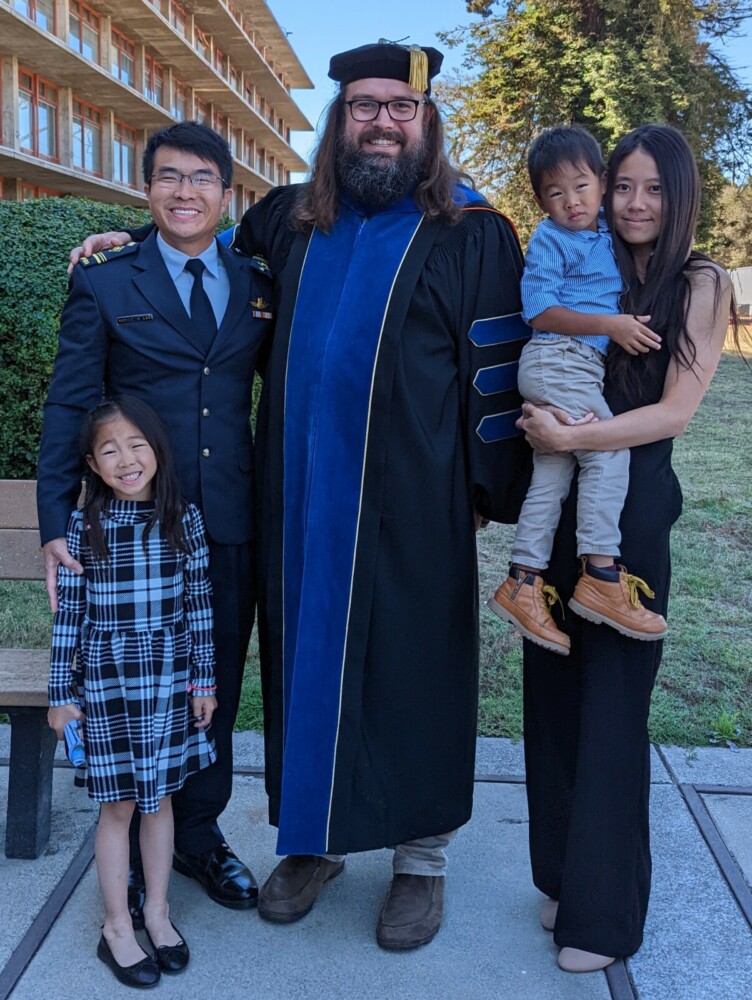
I have been a teacher for much of my life. From teaching new operators how to use manual and CNC milling machines and lathes to training the next generation of leadership at an NGO to instructing several completely new or overhauled courses at the Colorado School of Mines, I have extensive hands-on experience imparting knowledge and working with students. In these roles, I developed skills for explaining concepts in a clear and concise manner, delivered at a level appropriate to the audience or person.
Currently I am graduate teaching systems engineering courses in a variety of topics at the Naval Postgraduate School including system architecture and system suitability. Many of my students are active duty military officers from around the world. My students are all passionate, driven people with a real motivation to succeed in their studies — I couldn’t ask for a better cohort of colleagues.

I instructed five courses at CSM where I either designed a new course from scratch or significantly overhauled an existing course. Subjects taught include risk and reliability engineering analysis and design, advanced product design, machine design, design for the developing world, and additive manufacturing. I also taught a variety of special topics courses for graduate students on demand. Further details of the courses I have instructed are listed in my CV. I was involved with ABET certification of the mechanical engineering degree for CSM and I have been involved with revision of curricula across campus in support of the “engineering-by-doing” philosophy of education.
Prior to that, I was an instructor in the School of Mechanical, Industrial, and Manufacturing Engineering at Oregon State University (OSU). I taught two subjects including geometric dimensioning and tolerancing, and introductory dynamics. During graduate school at OSU, I also served as a teaching assistant for courses in complex system design, product design methodology, machine design, and introductory mechanical engineering. I have guest lectured and given seminars on reliability engineering, complex system design, culturally appropriate design, and electrical power generation and transmission systems at OSU, CSM, the University of Sydney, Arizona State University, and the University of Arizona. I have supervised and mentored senior design project groups, junior competition project groups, and setup and run product dissection laboratory sessions. In summary, I have served as an instructor and mentor throughout my career.

My philosophy of teaching is that content should be provided and achievement assessed in a project-focused context. I have found that multiple forms of content delivery in a highly interactive team-based environment maximizes student learning and retention. In graduate courses, I prefer to have a strong student-led teaching component where groups of students or individuals explain specific topics to the class or report on the findings of their class projects and student research.
Schoolwork
I have the following degrees and certifications:
Degrees:
- PhD, Mechanical engineering (industrial engineering minor) – Oregon State University – 2012
- MS, Mechanical engineering – Oregon State University – 2009
- HBS, Mechanical engineering (business administration minor) – Oregon State University- 2007
- HBA, International studies – Oregon State University – 2007
Certifications:
- EPRI Nuclear Risk Professional – 2013
- PADI Divemaster – 2008
My Ph.D dissertation advanced a risk-informed decision making framework that accounts for risk and risk appetite during the early phases of conceptual complex system design. Specifically, the framework allows for the risk appetite of critical stakeholders or engineers to quantitatively influence decisions made using risk information in trade studies. The framework further allows for risk metrics as generated through common engineering risk methods such as FTA, FMEA, RBD, etc. to be traded as system-level variables on par with other critical variables such as, in the case of a spacecraft, power, mass, cost, etc.
My master’s thesis developed a method to take culture into account during the mechanical design process. Using the Hofstede or GLOBE cultural factors, I developed a method of accounting for culture via the House of Quality. While completing my MS in mechanical engineering, I also served as the president of the Oregon State University chapter of Engineers Without Borders where we developed and implemented culturally and economically appropriate water catchment, retention and treatment systems in partnership with a community in rural El Salvador.
Throughout my time as an undergraduate and graduate student, I have completed many interesting projects and reports. These academic exercises provided me with a wealth of wonderful opportunities to learn new things and expand my skill set. Many of these projects were completed with a team of students while others were solo affairs.
Class Projects – Graduate School
Project Management Report – A simulated project management exercise and report based upon the real-life example of constructing a rainwater catchment system on a school in rural El Salvador.
Virtual Performance Measurement System Design Project – An analysis and redesign of the performance measurement systems the local student chapter of Engineers Without Borders. Several performance metrics were developed and methods to implement them in a meaningful way were presented.
Combined Brayton/Rankine Cycle Analysis – An analysis of a combined Brayton/Rankine cycle power generation plant preformed using Phoenix Integration’s Model Center and Engineering Equation Solver. An optimum design point was found and details on the analysis are presented. Further discussion of the project is available here.
Human Factors Engineering Course Term Paper – Investigation of Typing Performance Degradation when Switching from Standard QWERTY Keyboard to Ergonomic Split QWERTY Keyboard.
Mechanical Design Optimization Term Project – Optimization of Geometry and Beam Sizing for Load-Bearing Structure.
Complex Systems Design Across Cultures – A term paper that reviews current literature in complex systems engineering and quantitative cultural research to look for methods to quantify and reduce the risk of multi-cultural design teams.
Class Projects – Undergraduate
J-Walker – A simulated Mine-Clearance Robot designed for the 2004 ASME Student Design Contest titled “Mine Madness.” The robot placed 3rd out of 30 teams at the Oregon State University contest. At the regional contest in Moscow, Idaho, it won first place. Our team went on to place 5th out of 13 teams at the 2004 ASME International Design Challenge in Anaheim, California.
Mechanical Engineering Senior Project Final Report – Porous Media Test Bed. My senior project final report detailing a proposed design that would permit visualizing microscopic flow conditions at high Reynolds numbers. The device was never built due to a lack of funding. 2-D testing was conducted to verify dispersion calculations.
Mechanical Engineering Senior Project Proposal – Porous Media Test Bed. My senior project proposal presenting a design solution to visualize microscopic flow conditions at high Reynolds numbers. A drawing package created in SolidWorks, all materials used in construction, and costing information is provided.
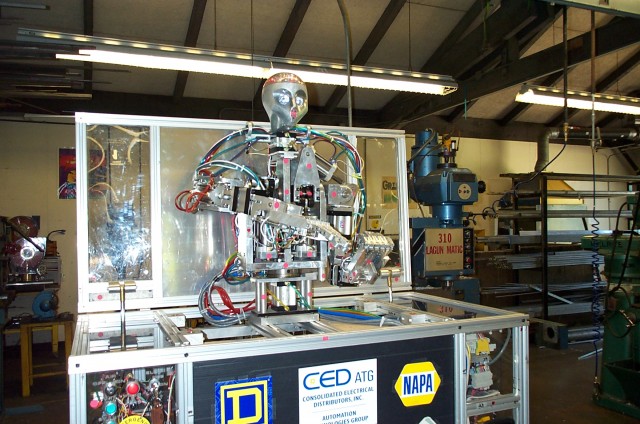
Jack – An eight foot tall humanoid robot modeled on my own dimensions designed for the 2001 SME Robotics Engineering Challenge. I led a team of about 15 in the design, construction, and competition of the robot. Jack took 1st place in the open robotics construction competition, won a special Fluid Power Society award, and was awarded the highly coveted Judge’s Choice Award. Aside from the electric motor to raise and lower Jack out of his box, the entire machine is powered by pneumatics. Logic is provided by a Square-D PLC. Jack’s main purpose was to demonstrate pneumatics and PLC control of complex robotic systems for the companies that supplied us with components.
Hobbies
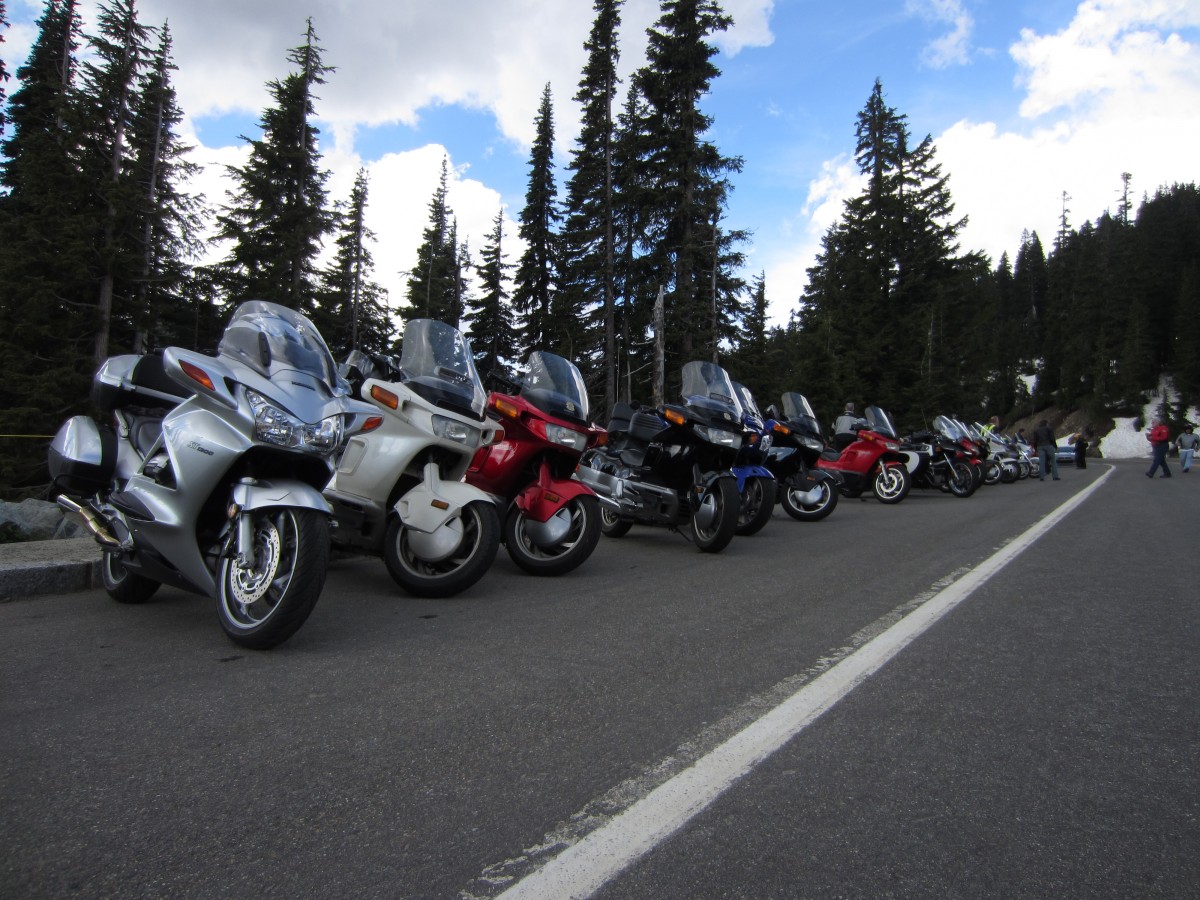
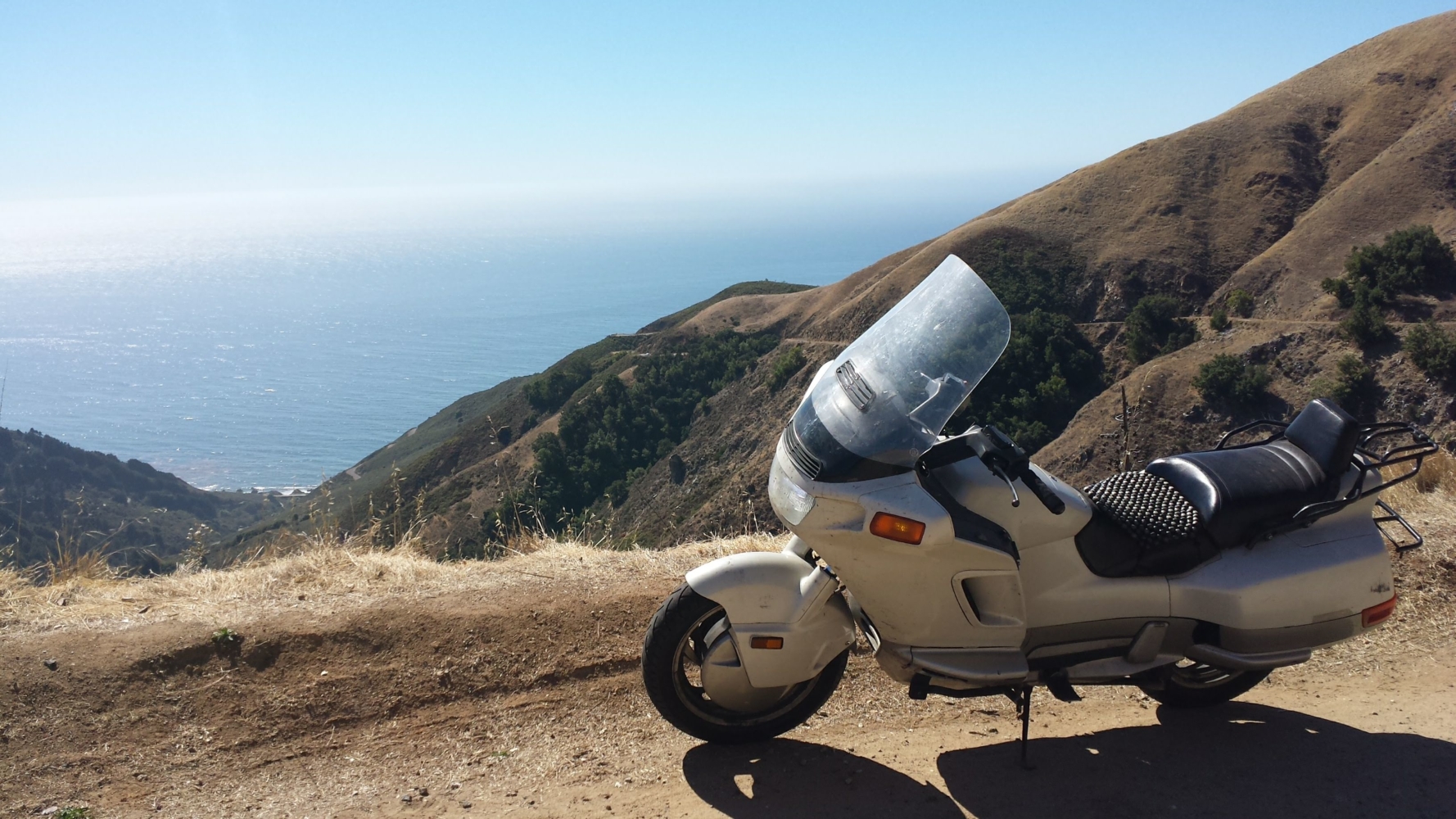
In my spare time, I enjoy several hobbies. I have extensive experience with motorcycle and small engine repair, especially in the Honda Pacific Coast community. I can often be found SCUBA diving in the Pacific Northwest and volunteered for many years with the OSU research and recreational dive programs. Since I was quite young, I have thoroughly enjoyed traveling the world. You also might spot me hiking in the mountains; mountain biking; rock climbing; taking photos and making videos of interesting things; and a whole host of other activities.
I enjoy using my 4×4 pickup to explore the American west almost as much as I enjoy working on it and improving it with significant modifications. The work I perform on my motorcycles to maintain and upgrade their capabilities beyond what the original manufacturers intended has been closely followed on the relevant motorcycle forums. For the last several years I have helped teach diving in the recreational SCUBA program at Oregon State University as a Divemaster and have periodically volunteered as a research diver with labs on campus. When my schedule permits, I enjoy being involved with Engineers Without Borders (EWB). At one point I served for two years as the president of the Oregon State University student chapter of EWB and worked on their El Salvador water project. In addition to these hobbies and projects, more information can be found on the personal side of my website.
4×4 Pickup Projects
My 1986 Toyota 4runner (basically a Toyota Pickup or Toyota HiLux with extra seats in the back) may have started out life as a mild independent front suspension (IFS) grocery getter but now it is a monster solid axle swapped (SASed) rock crawler that still can drive on the highway to reach the trail. All of the specs are available on the portion of my website devoted to my truck, The Albino Rhino.
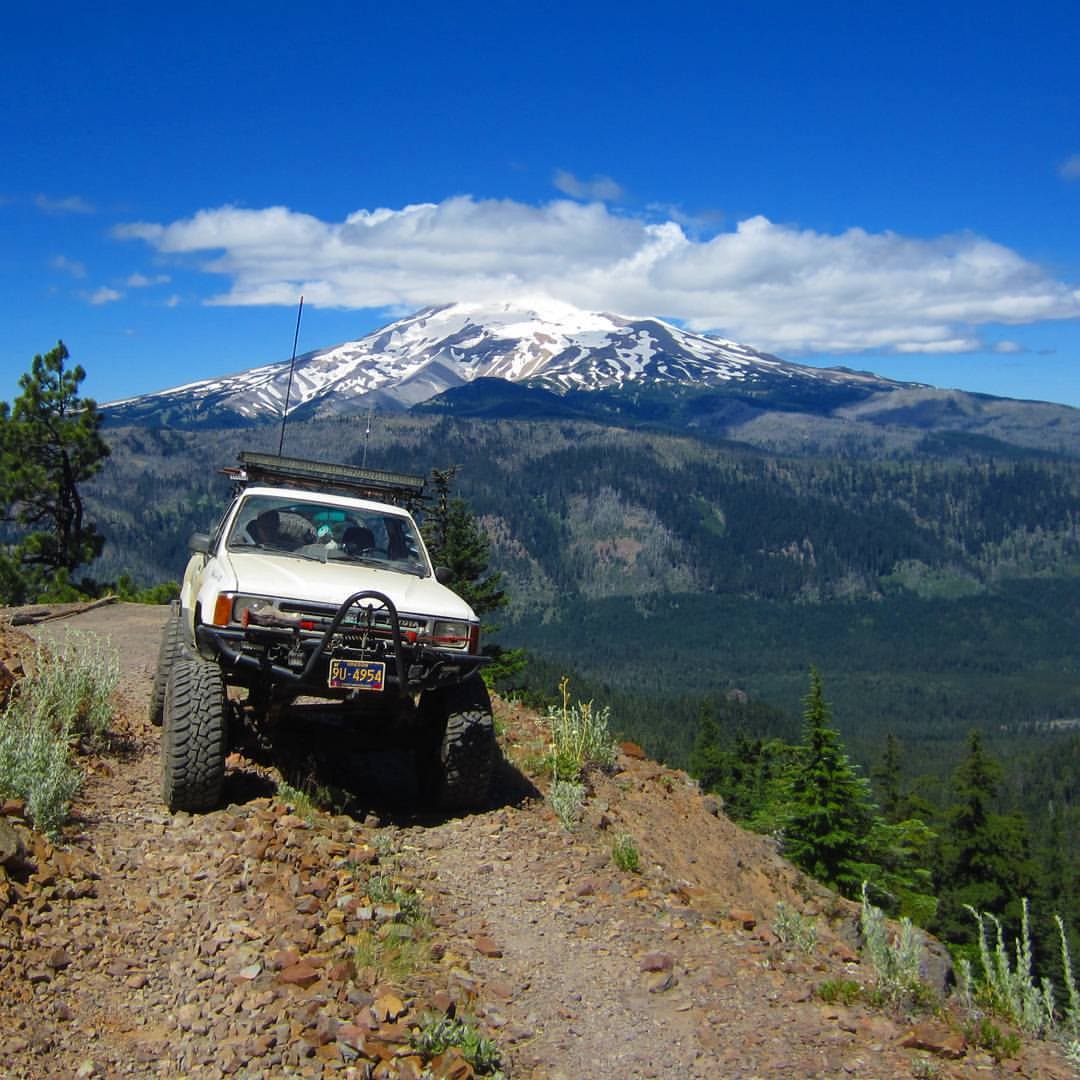
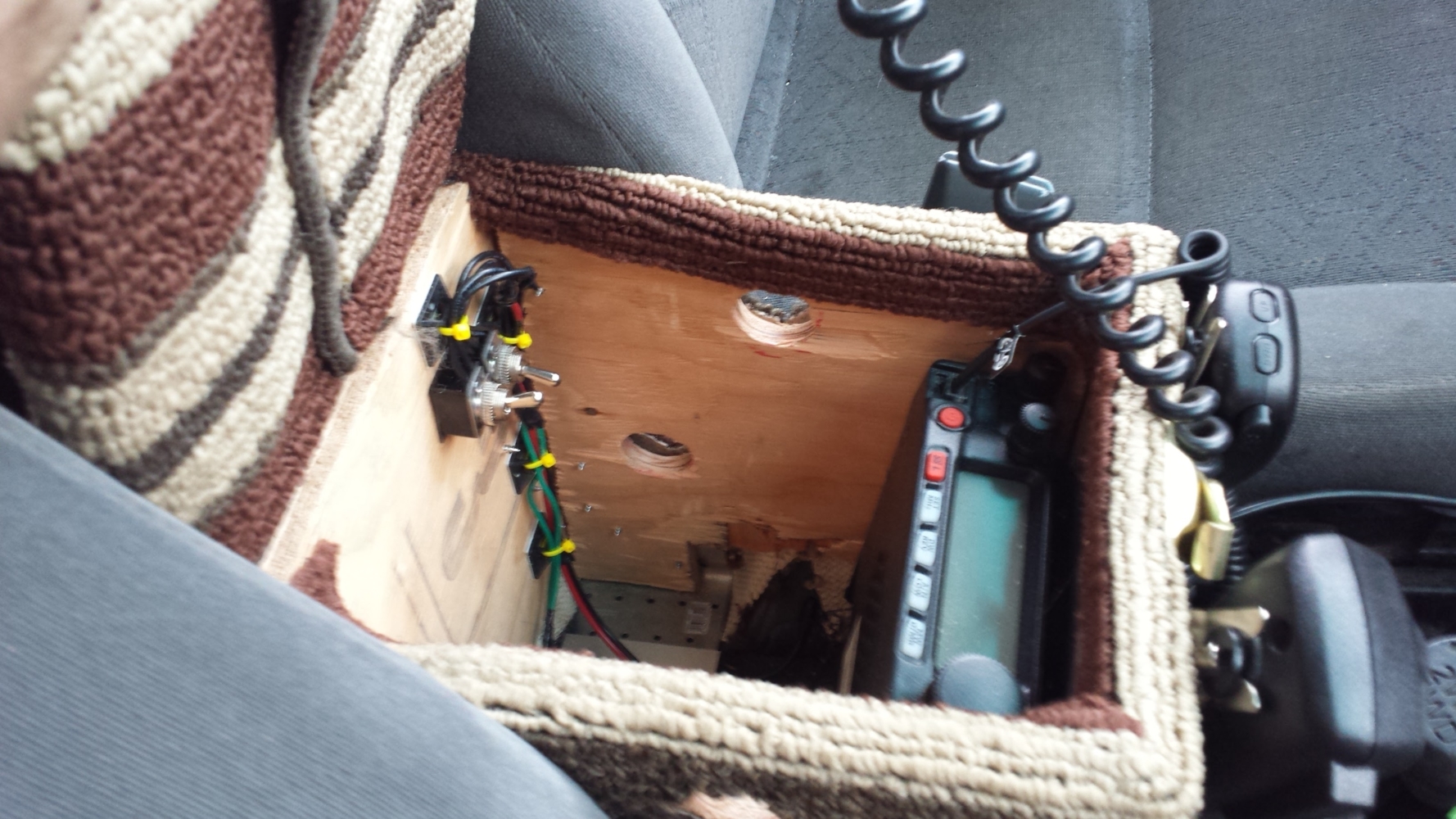
I have done an extensive overhaul of the electrical system on the truck to uprate the alternator from 65 amps to 170 amps; added a secondary electrical distribution system to handle high amp loads such as rock lights, a light bar, an air compressor, a refrigerator, several radios (CB, 2M amateur, etc.), a stereo system, and other equipment; and installed several extra gauges to monitor electrical system and engine health. On the mechanical side, I have twin transfer cases with a 4.70:1 gear in the rear case to provide ultra-low crawling capability. The differentials have 5.29:1 gears and ARB air lockers both front and rear. The truck is on springs that give a fair amount of flex without being too crazy to drive on the highway. All in all, it’s a very capable truck that has taken us all across the American west.
As part of my 4×4 endeavors, I am a contributing author to Trails Off-Road, the premier American 4×4 trail guide website. I work in my spare time to map 4×4 trails in the west and write trail guides that include GPX route maps, detailed waypoint directions, videos of the trails, and photos of all major points of interest and waypoints. It is a wonderful project that lets me give back to the offroad community and help others explore the world.
Motorcycle Projects
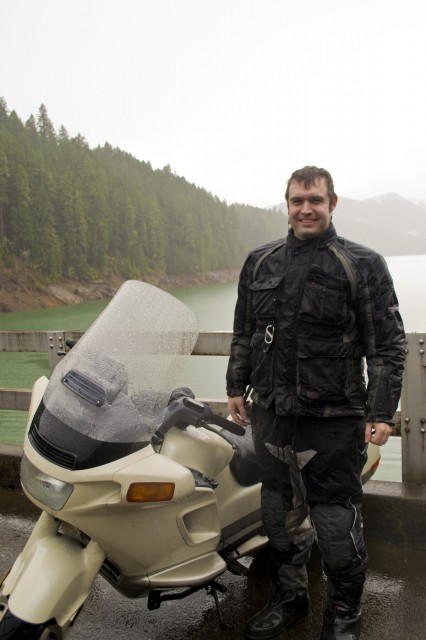
The fleet of motorcycles that I maintain and upgrade waxes and wains with the seasons and with my changing riding interests. As of writing this, I only have one motorcycle in my stable: a 1989 Honda Pacific Coast that I am constantly modifying and tinkering on to achieve maximum comfort, enjoyment, and performance. In the past Notable projects include the fuel injection conversion that the Pacific Coast underwent a few years back, a complete LED conversion project for the Pacific Coast to give me a few extra watts of electrical capacity for accessories, and various electrical upgrades to the Pacific Coast to increase functionality and comfort.
The fuel injection conversion project on the Honda Pacific Coast took a couple years to complete and ended with good results. During that time I went from knowing nothing about fuel injection to being on the verge of selling my carburetor on E-Bay. I modified a carburetor into throttle bodies complete with multi-point fuel injection. The end result of the project increased performance at high altitude, increased fuel economy, crisper throttle response, and the answer to the question of if the Pacific Coast can be fuel injected successfully. An in-depth look at the project is available on my blog.
The LED conversion project came about due to a shortage of spare electrical power on the Honda Pacific Coast. Prior to deciding to opt for an LED conversion, I spent a considerable amount of time researching cost-effective methods of increasing available power for accessories. My research showed that the most cost-effective alternative is to replace the many incandescent bulbs on the Pacific Coast with LED replacement bulbs. Under the most extreme of operating conditions, I will save up to 144 watts while under normal conditions I will save 38 watts. This is an ongoing project but will be completed by the end of January. My analysis of the alternatives and ongoing progress can be found elsewhere on this website.
Other various upgrades and involved maintenance procedures have performed on my Pacific Coast over the last several years of ownership. For instance, I wired in an auxiliary fuse block, a battery cutoff switch, an air horn, voltage status indicators, and a pulse width modulated controller for heated riding gear, and other electrical items. I installed Mick-O-Pegs, rebuilt the forks, replaced the brake and clutch hydraulic lines and rebuilt the master and slave cylinders, replaced cam plug seals, and other mechanical projects. While the bike does not require any upgrades or maintenance aside from a periodic oil change, I performed all of these procedures to improve the bike’s performance and to increase my knowledge and understanding of how motorcycles work.
SCUBA Diving
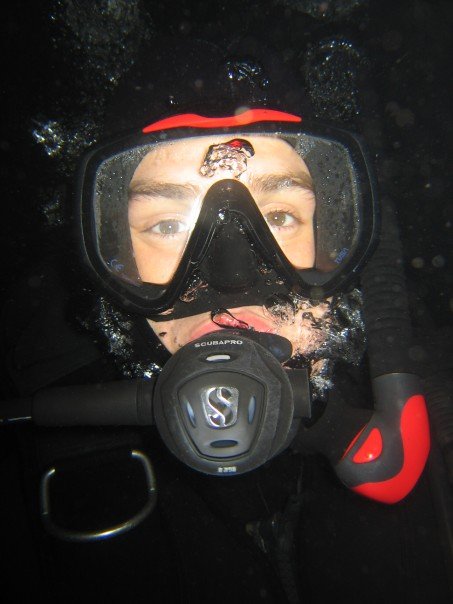
For the several years I volunteered as a Divemaster with the Oregon State University recreational SCUBA program taught on contract with Eugene Skin Divers Supply. I have also had the opportunity to volunteer as a research diver with the Heppell Lab diving on underwater artificial rock structures to conduct juvenile rockfish counts. Being a diver who helps teach diving and conducts research dives in the Pacific Northwest has taught me a great deal about how to work in harsh diving conditions under extreme weather and with a whole range of different people. I have had the pleasure of diving with incredibly seasoned divers who spend more time in the water than out and have learned a great deal from working with beginning divers who are just taking their first tentative breaths on SCUBA. Being underwater is an amazing experience for me and one that I like to share. As with all of my personal and professional activities, I bring a strong curiosity and thirst for learning to my diving. For me, every trip underwater is a new adventure.
Engineers Without Borders
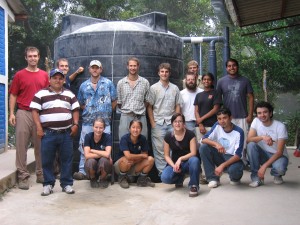
While I was living overseas in Tunisia and Germany, I became interested in what engineers can do to help improve the lives of people in communities around the world. Upon returning to Oregon State University, I became involved in the newly formed local student chapter of Engineers Without Borders (EWB-OSU). The group had just began working on a water project in El Salvador. I quickly found myself involved in the administration of the organization and ended up being elected to the office of President for two consecutive year-long terms. Under my administration, the chapter went from a group focused entirely upon one project to an efficient organization capable of taking on multiple projects at the same time. As a result, the chapter ran two projects simultaneously in El Salvador and Kenya for several years. During my tenure with EWB-OSU I had the honor of traveling to El Salvador and assisting on an implementation of a water catchment and retention system for a school. The system collects water off of a roof, routes it through a series of pipes that take off the first bit of water from the start of a storm to flush out unwanted particulate and animal waste, and impounds the rest of the water in a large plastic storage tank for later point-of-use filtering and consumption. Working closely with a community on a critical infrastructure project taught me about humility, humor, teamwork, cross-cultural communication, and stakeholder buy-in. My work with Engineers Without Borders directly influenced my Masters Thesis.
Throughout my life, the biggest driving force has been and continues to be my quest for new knowledge, ideas, and experiences. I strive to push the boundaries of knowledge, exploration, and innovation in everything I do regardless of discipline or topic. Everyday I learn new things and strive to share my excitement for the world with others.
Comments are closed.