Anne

You are currently browsing articles tagged Anne.

I’m authoring my thesis in LaTeX, a sort of scripting language similar to HTML that produces beautiful final results… that is, if you can get it to cooperate.

My current problem is with trying to use the graphicx package.  I can’t get a graphic to display correctly.  The code looks correct but it keeps throwing strange errors.  I copied the code verbatim (with changing the file i’m trying to insert) from a friend’s masters thesis.  It worked in his so I don’t see why it’s not working in mine.  We are using the same class files and whatnot and the same general format.

The problem comes (i think) in the width variable.  That textwidth doesn’t seem to be working correctly.

The Code:

\begin{figure}[h]
\begin{center}
\includegraphics[width=0.6\textwidth, keepaspectratio=true ]{figures/hofstede_onion.png}
\caption{Hofstede's Onion Model of Culture: Cultural Values are located at the core and are surrounded by Rituals, Heros, and Symbols with Practices drilling down from the outside to the Values center. Reproduced from \cite{Hofstede01}.}
\label{fig:hofstede_onion}
\end{center}
\end{figure}

The Error Message:

! LaTeX Error: Cannot determine size of graphic in figures/hofstede_onion.png (no BoundingBox).
See the LaTeX manual or LaTeX Companion for explanation.
Type H for immediate help.
...
1.18 ... ctratio=true ]{figures/hofstede_onion.png}
) [5]

Thoughts, insights, ideas?

UPDATE:

With the help of Alex (recommended by Anne), I was able to get the graphics files to pop out.  The key was switching from outputting into a DVI file or a PS file to outputting directly into a PDF file.  To do this in TeXnic Center, I went to Build -> Select Output File.  I then chose the PDF option.

Other problems still exist with my output, but at least some of the big ones are now addressed.  No doubt, there will be further whining for help as I progress with my thesis.
Tags: , , , ,

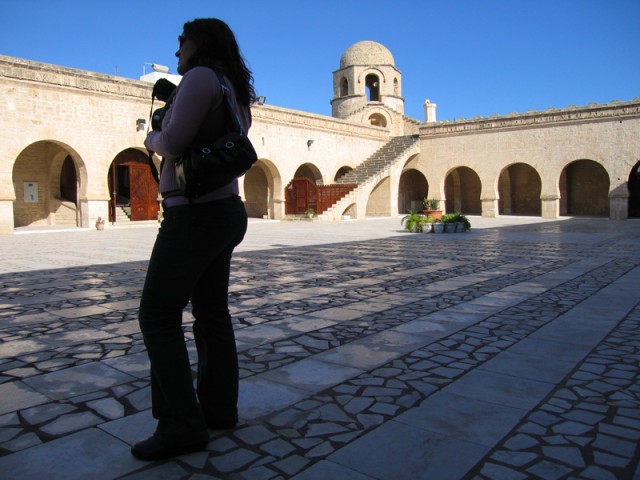
Sousse

As our program ramped down, we took one last fieldtrip to Sousse.

img_3411

img_3417

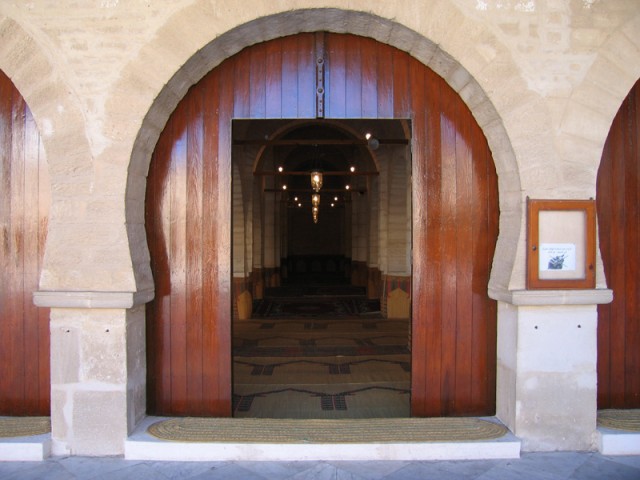
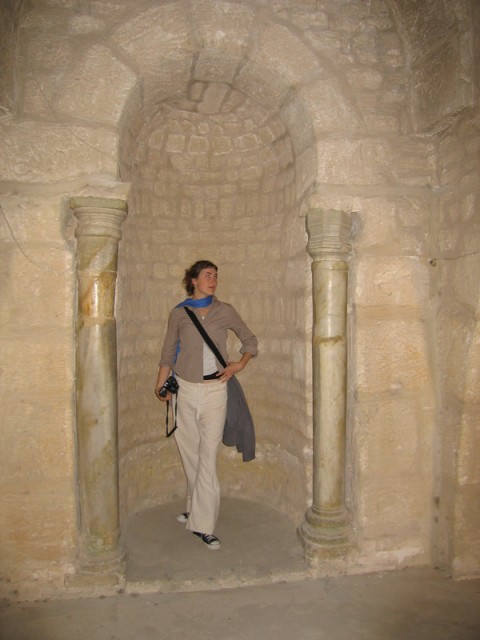
Inside the grand mosque. That’s Melissa who was down visiting us from southern France.

img_3419

img_3420

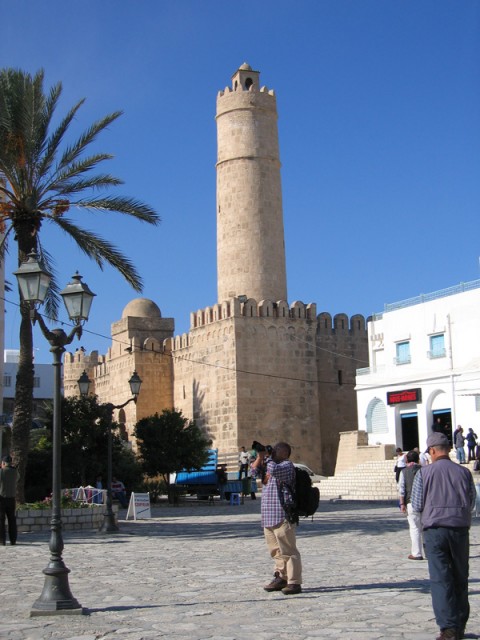
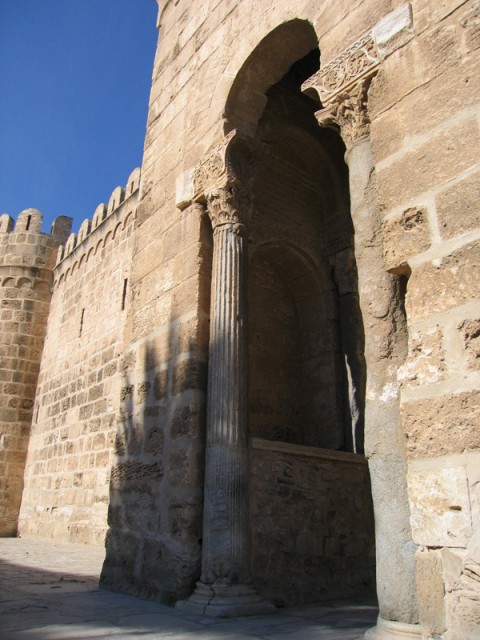
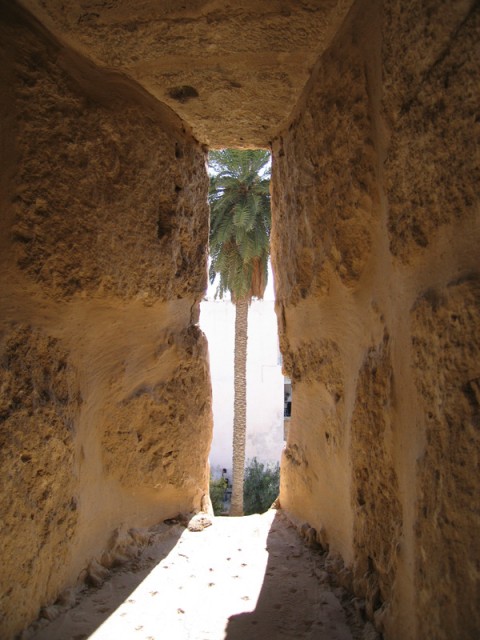
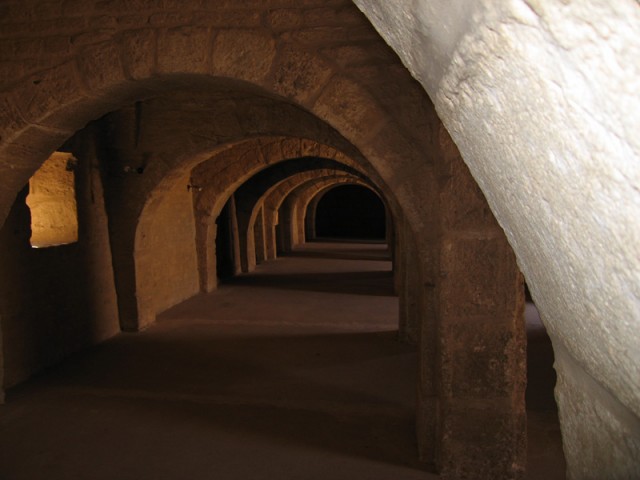
The Ribat used as the last defence of the town. During times of calm, the Islamic warriors would silently study the Koran inside. When pirates or whomever came by, they’d put down their Korans and pick up their swords.

img_3422

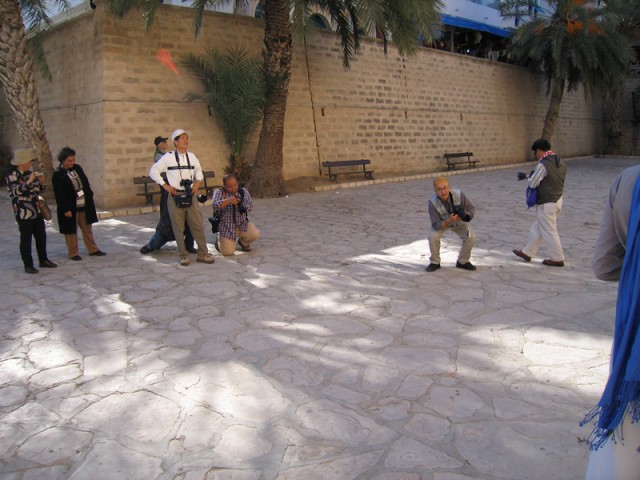
Japanese tourists even here!

img_3423

img_3430

img_3433

img_3436

img_3451

img_3458

img_3470

img_3477

img_3487

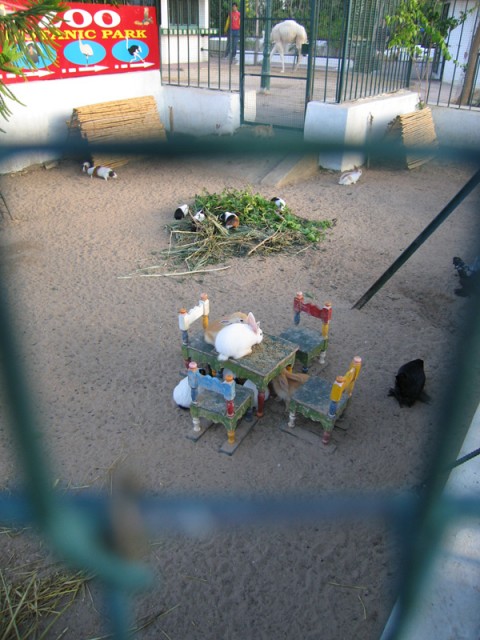
Yes, those are bunny rabbits doing cute things!

img_3491

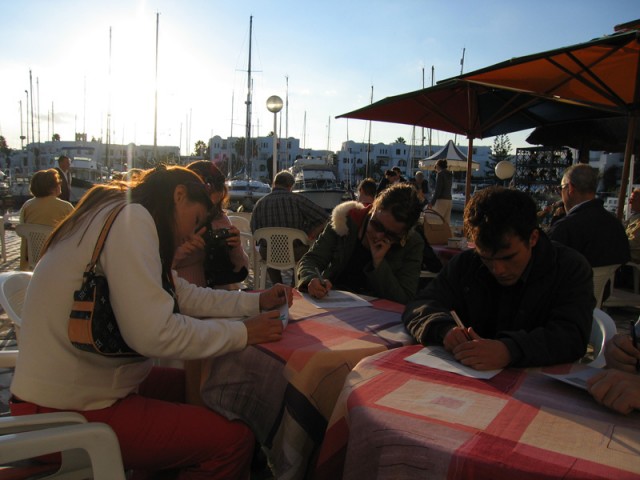
We filled out the program evaluations at the luxury marina in the Zone Touristique.

img_3493

img_3496

img_3500

img_3506

img_3508

img_3513

Tags: , ,

Chenini

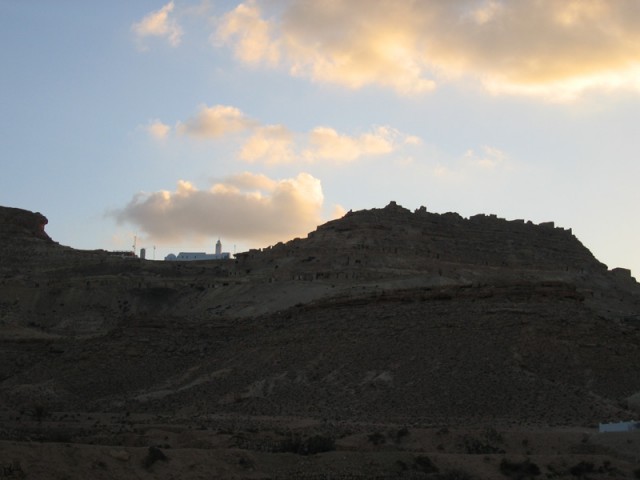
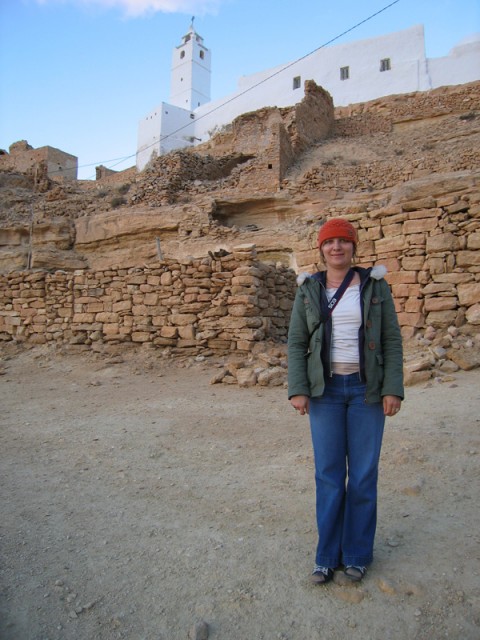
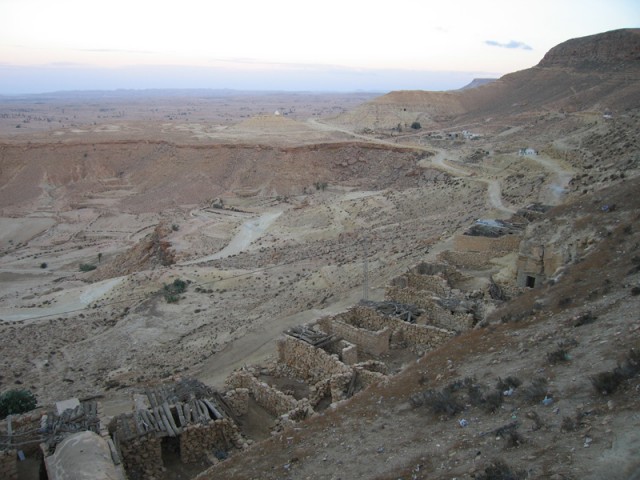
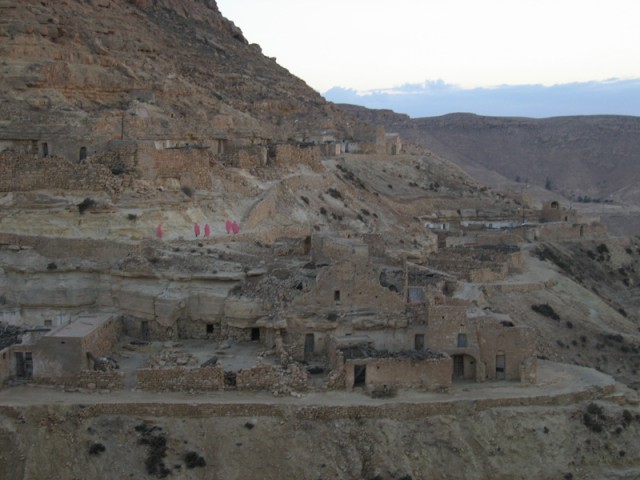
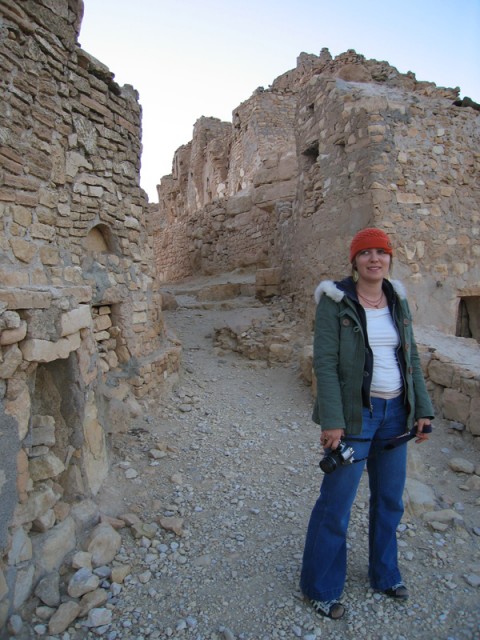
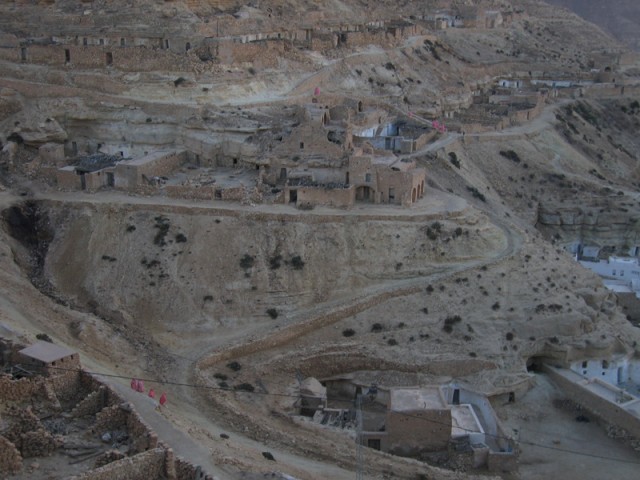
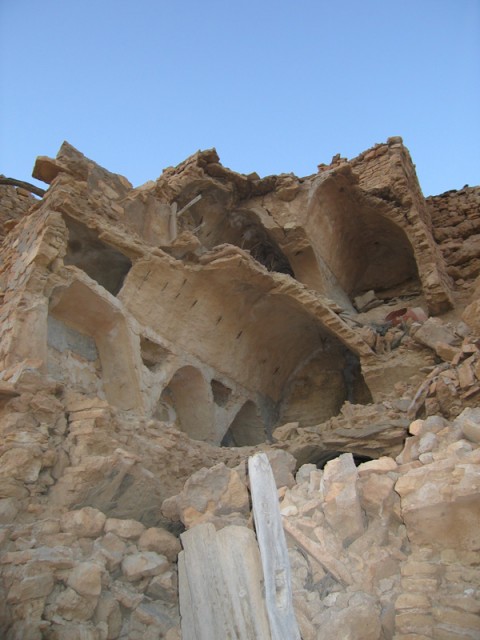
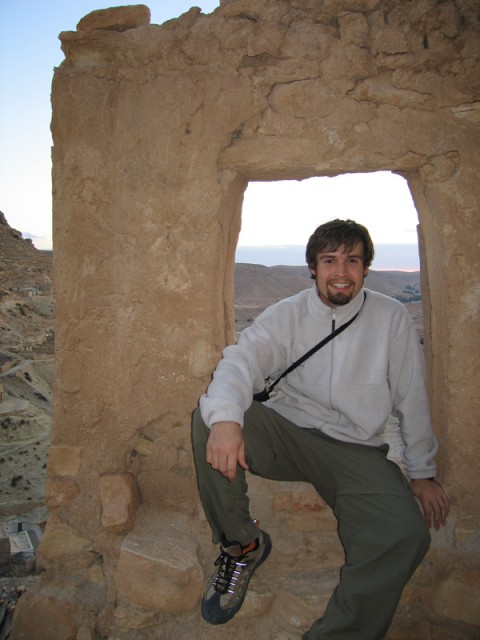
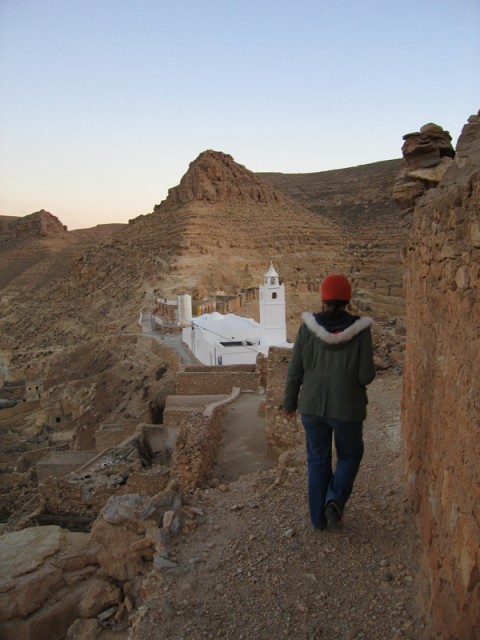
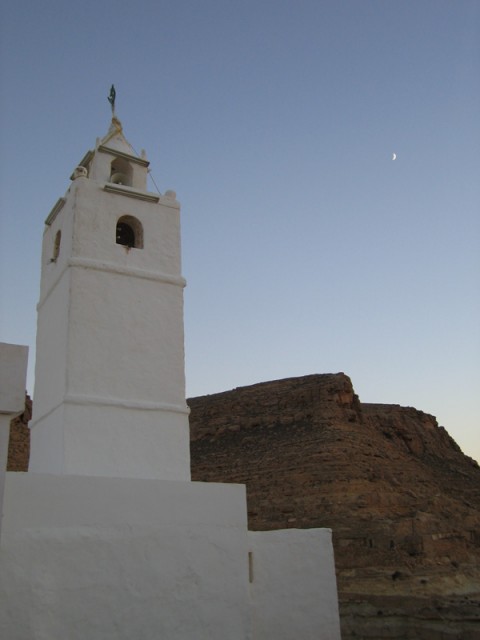
Chenini is an old Berber village set high in the mountains.  It is a very pretty place, made all the more pretty by the sunset that was in full swing upon our arrival.  I ran around with Anne to see the various sights of the village and climb the mountain to the top of the settlement where the granaries were once located. Like many of the traditional villages in Tunisia, this one has been largely depopulated due to the construction of Chenini Nouvelle. There were still a fair number of inhabitants living in this one however. We saw several groups of women walking about in red and white checkered scarves, evidently traditional to this particular village or area. A teenage boy followed Anne and I around to try and get a bit of money from us by selling us some sort of crystal. We didn’t take the bait.

Anne and I got into trouble a bit for being late to the bus because we wanted to continue exploring. It’s hard to leave such interesting places!

IMG_2386

IMG_2398

IMG_2408

IMG_2410

IMG_2419

IMG_2421

IMG_2423

IMG_2425

IMG_2428

IMG_2431

IMG_2439

IMG_2440

Tags: , , ,

The US embassy in Tunisia threw a gala event to celebrate election night 2004. It was at the Sheraton Hotel, the nicest hotel in town. The party went from about 8pm until 8am. Anne and I stayed until the bloody end.

The ballroom was packed all night long. There were about 400 people in the room at any one time. Several thousand came through during the course of the night. The party was open to anyone willing to pass through the metal detector. Tunisians outnumbered Americans by about four to one.

IMG_1749

There was free wireless internet access. Kellen and I took full advantage of this fact.

IMG_1750

IMG_1751

IMG_1752

This evening was my first meeting of Xiyun. Originally, she had tried to contact me over Livejournal but due to highly limited internet access in Tunisia, this was our first actual meeting. She was in Tunisia studying French on leave from Brown University. She also was using the free wireless to the full extent of its capability. Later during my stay in Tunisia, we found ourselves on many an adventure.

IMG_1753

IMG_1754

This was also the first night I met Noam, the guy with the bright red hair to the left of Kellen. We would run into each other several more times in my extended stay in Tunisia.

IMG_1755

Nice place for a sticker, Heather!

IMG_1756

One of the handful of Bush/Cheney supporters that I spotted during the evening.

IMG_1759

As dawn broke across Tunis, Anne and I trudged home through a gray drizzle back to my apartment several kilometers away. Neither we nor the traffic jam on the 7th of November highway were feeling particularly celebratory.

Tags: , , , , , , ,

IMG_1620

IMG_1621

I woke up to watch the sun rise over the sea. The night before, Anne and I swam in the sea as we watched the sun set.

IMG_1622

IMG_1625

In the old medina of Hammamet.

IMG_1627

IMG_1628

IMG_1630

IMG_1631

IMG_1634

IMG_1635

IMG_1639

IMG_1641

IMG_1642

IMG_1645

IMG_1648

IMG_1649

IMG_1650

IMG_1652

IMG_1653

IMG_1654

IMG_1655

IMG_1658

IMG_1660

IMG_1663

IMG_1670

IMG_1674

IMG_1676

IMG_1678

IMG_1679

IMG_1680

IMG_1683

Tags: , , , ,

Heather and Anne went out to Hammamet the day before Giovanna and I arrived. Giovanna and I were held up by an invitation to dinner at Giovanna’s place by her host mom. One doesn’t miss a dinner invitation to Giovanna’s house!

To get to Hammamet, first Giovanna and I tried the train. Unfortunately, the first train wasn’t going to make the run until noon. We decided to try and take a Louage (shared long distance taxi), a shared taxi, to Hamammet. After about 10 minutes of looking for the Louage station, we found it, and within three minutes, we were underway. The trip to Hammamet took about 45 minutes. The louage was clean and the driver was safe.

IMG_1513

The women going into the hammam (Turkish bath) in the hotel. We stayed in a 4 star hotel right on the beach called Hotel Oranger. It was a nice place. 80 Dinars a night for double occupancy rooms. That’s not so bad considering we got a sea view, two full meals, two swimming pools, a private beach, and many other amenities included for free. Originally, the price had been 113 dinar, but we negotiated down. Probably if we had a local with us, it’d have been more like 50 or so Dinars, but that’s okay.

An interesting note. This hammam is co-ed. In the cold room setup for sleeping, there were a bunch of old half-naked German tourists in different states of relaxation. We kept our bathing suits on throughout the hammam experience as some of us in the group of four were modest.

IMG_1515

IMG_1517

The forest of umbrellas on the private beach of the hotel.

IMG_1518

Giovanna eating a cheese burger.

IMG_1520

IMG_1524

A guy trying to sell Heather the Tunisian equivalent of Boston Baked Beans.

IMG_1526

IMG_1528

IMG_1529

Giovanna rides a camel for the first time. His name was Ali Babba.

IMG_1533

IMG_1534

IMG_1536

IMG_1538

IMG_1542

IMG_1543

IMG_1547

IMG_1548

IMG_1551

IMG_1552

IMG_1559

IMG_1561

IMG_1576

IMG_1581

IMG_1582

IMG_1587

IMG_1588

IMG_1589

IMG_1590

IMG_1595

IMG_1596

IMG_1599

IMG_1603

IMG_1607

IMG_1610

Giovanna and Heather decided to take an inner tube ride in the sea. We could hear them all the way from shore as Heather screamed “oh my god oh my god oh my god we’re going to die!” It was rather entertaining for those of us on dry land.

IMG_1611

IMG_1612

IMG_1613

IMG_1615

Giovanna’s and my hotel room. We were borrowing Anne from Heather to watch CNN.

IMG_1616

Tags: , , , , , ,

IMG_1312

Anne waiting at the interpretive center of the national park.

IMG_1313

The large swath of the hill that is cut away is a fire break. Whether or not they work, I don’t know. Several years years back, there was a major fire on Jebel Rassas which could be seen all the way out at Sidi Bou Said, across the Gulf of Tunis.

IMG_1318

IMG_1319

IMG_1320

IMG_1322

At the picnic grounds in the heart of the national park.

IMG_1325

IMG_1330

IMG_1331

IMG_1332

IMG_1341

Tags: , , ,

Bizerte

IMG_1262

Bizerte has always been an important coastal port, once serving as the base of operations for several Muslim corsair fleets. Originally, it was a Phoenician port. the Phoenicians called it Hippo Diarrhytus and were the first people to dig a canal between the sea and Lac Bizerte, creating a vast inland harbor. When the Romans showed up, they improved the canal and built many of the typical Roman necessities in town. Later on, the Arabs changed the name to Benzert. Finally, it changed to Bizerte. During the 16th century, Bizerte found itself in the front lines of the Turco-Spanish struggles. Charles V punished the town for supporting the corsair Barbarossa with a brutal raid in 1535 which caused a building boom shortly there after to repair the city.

The French took over the city early on in the occupation of Tunisia, realizing it’s strategic importance. After the completion of the Suez Canal, the French brought some of the dredging equipment to Bizerte to enlarge and deepen the canal for purely “commercial” interests. They subsequently turned it into a huge naval base and went so far as to hold onto the town well after independence, only handing it over after Tunisian military action in 1961 in which 1000 Tunisians lost their lives. From the French legacy, the town still is dominated by heavy industry, housing the first blast furnace in Africa among other large industrial complexes. more recently, a silicon fab has been built outside of town by a German company. Hi-tech is moving into Tunisia in a big way and using Bizerte as its beachhead.

IMG_1269

Looking into the old harbor.

IMG_1271

IMG_1273

IMG_1274

IMG_1276

IMG_1278

IMG_1279

IMG_1282

IMG_1283

IMG_1288

IMG_1291

IMG_1293

Anne and Joey took turns giving each other piggy back rides.

IMG_1295

IMG_1299

IMG_1303

IMG_1310

Tags: , , , , ,

Kairouan

The Aghlabid pools at Kairouan are a series of massive pools once dotted the land immediately north of Kairouan. They were built by the Aghlabids to provide a stable year-round source of water to the city and a rich breeding ground for malarial mosquitoes. Now only a few of the structures remain and have been restored. Saltwater intrusion from the coast has reached the basins, filling them with brackish water.

IMG_1153

The Tunisian national flag waving in the breeze atop the visitor center for the Aghlabid basins.

IMG_1158

Anne rides a cannon.

IMG_1159

A portico at the Mosque of the Barber.

IMG_1162

The tomb of the Prophet Mohammed’s barber. Here supposedly rests the man who kept three hairs from Mohammed’s beard with him throughout his life. In general, tourists are not allowed inside; only Tunisians and Muslims.

IMG_1163

IMG_1164

IMG_1165

Laura explaining some aspects of the mosque complex to Jeff and Giovanna.

IMG_1167

Intricate designs in the Mosque of the Barber.

IMG_1180

Tags: , , , , , , ,

IMG_1071

The Nymphaeum in Zaghouan is of a typical Roman construction. The central chamber — where the water springs forth, contained twelve niches in the walls where twelve statues representing the twelve months of the year once stood. Even after the decay and collapse of the aqueduct to Tunis, the town of Zaghouan was supplied with free plentiful fresh, cool water still being piped to community fountains by means of the original Roman pipe system.

Several years ago, the water authority came through town, capped off all of the old fountains, and diverted the water from the spring into the Tunisian national water infrastructure system. Now the citizens of Zaghouan must get their water from the central pipes just like everyone else in the country. I suppose that’s the price of progress.

IMG_1077

Pits were dug around the perimeter of the center chamber for unknown reasons. Anne decided to climb down one of the excavated holes. On the way up, a rock gave way. She fell back down into the pit, skinning her knee in the process. In total, the hole was around eight feet deep.

Tags: , , ,